Introduction
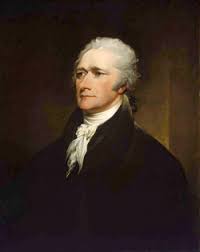
The influence of Alexander Hamilton on American history is profound and far-reaching. As one of the Founding Fathers, his contributions helped shape the United States’ financial system and government structure. His life story remains an essential part of American culture, particularly with the resurgence of interest following the success of the musical ‘Hamilton’. In this article, we will explore Hamilton’s key achievements and his lasting significance in contemporary politics.
Key Achievements
Born on January 11, 1755, in the Caribbean, Hamilton rose from humble beginnings to become an influential statesman. Appointed as the first Secretary of the Treasury in 1789 under President George Washington, Hamilton’s economic policies laid the foundation for modern American finance.
One of his primary tasks was to address the national debt incurred during the Revolutionary War. Hamilton proposed the federal assumption of state debts, which was a controversial move but pivotal in creating a centralised financial system. He founded the First Bank of the United States in 1791, establishing a basis for American banking that persists today.
Political Philosophy and Federalism
Hamilton was a staunch advocate for a strong federal government. His writings in the Federalist Papers, which he co-authored with James Madison and John Jay, defended the U.S. Constitution and the importance of federal power, arguing that a robust central government was essential for the nation’s unity and stability.
Contemporary Significance
Hamilton’s ideas continue to resonate in today’s political landscape, particularly regarding financial regulation and the role of government in the economy. His belief in a dynamic economy driven by industrialisation and a strong monetary system still influences economic policies today. The ongoing debates about the balance of power between state and federal authorities often echo Hamilton’s arguments for a more centralised approach to governance.
Conclusion
As we reflect on the life of Alexander Hamilton, it becomes clear that his contributions extend beyond his lifetime. From his foundational role in establishing America’s financial system to his advocacy for federalism, Hamilton’s legacy remains integral to understanding the ongoing evolution of the United States government and its financial institutions. With ongoing discussions surrounding fiscal policy and governance, Hamilton’s ideas are as relevant now as they were in the 18th century, and his life story continues to inspire new generations of leaders and citizens.