Introduction
The Day of the Dead, or “Día de los Muertos,” is a deeply significant Mexican celebration that honours deceased loved ones. This unique holiday merges indigenous customs with Spanish colonial influences and is celebrated yearly on 1st and 2nd November. Its relevance extends beyond cultural roots, serving as a reminder of mortality and the importance of honouring the lives of those who have passed, making it an essential part of Mexican heritage.
Traditional Practices and Symbolism
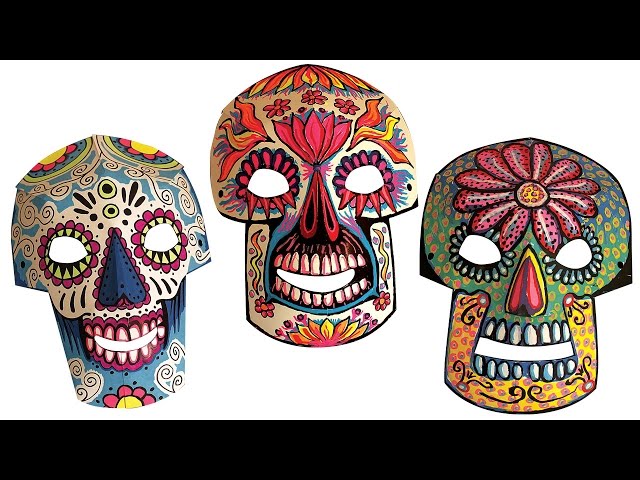
The Day of the Dead is marked by vibrant festivities that include creating altars, called “ofrendas,” adorned with photographs, candles, and the favourite foods of the departed. Marigolds, recognised by their bright orange hue, are commonly used to decorate graves and altars, symbolising the connection between life and death. Distinctive sugar skulls, or “calaveras,” represent a playful acceptance of mortality, making death a part of everyday life instead of a source of fear.
Current Celebrations and Events
In 2023, various cities in Mexico and communities around the globe have planned significant events to commemorate the Day of the Dead. For example, Mexico City hosts parades filled with colourful costumes, traditional music, and vibrant decorations. Public altars set up in parks and plazas invite residents and visitors alike to engage with the festivities, share their stories, and remember their loved ones. Furthermore, schools incorporate this rich cultural tradition into their curriculum, fostering an appreciation among younger generations.
The Day of the Dead Worldwide
The recognition of the Day of the Dead continues to spread beyond Mexico’s borders, with UNESCO declaring it an Intangible Cultural Heritage of Humanity in 2008. Celebrations now occur in various countries, including the United States, Canada, and parts of Central America. These events further promote cultural understanding and acceptance, as communities gather to celebrate life, death, and the enduring bonds of love.
Conclusion
As we reflect on the Day of the Dead, it becomes evident that this celebration serves as a vital channel for cultural expression and remembrance. Its continued growth signifies a larger movement towards the acceptance of death in various cultures and encourages communities to honour their past. As more people learn about the Day of the Dead, it is anticipated that the depth of understanding and appreciation for its traditions will only continue to grow, ensuring that the memories of our loved ones are cherished for generations to come.