Introduction
Remembrance Sunday, observed on the second Sunday in November, holds immense significance within the United Kingdom. This day is dedicated to honouring and remembering the men and women who have served and sacrificed their lives in military conflicts. With the evolving nature of warfare and peacekeeping missions, the importance of recognising these sacrifices has never been more relevant, fostering a culture of remembrance that extends beyond just the military and into civilian life.
The Origins of Remembrance Sunday
The roots of Remembrance Sunday can be traced back to the end of World War I, specifically the signing of the Armistice on November 11, 1918. The day initially focused on commemorating the fallen soldiers of the Great War, but over the decades, it has grown to encompass all conflicts involving British armed forces. The red poppy, inspired by the poem “In Flanders Fields” by Lieutenant Colonel John McCrae, serves as a powerful symbol of this remembrance, commonly worn by millions in the UK and beyond.
Annual Observances
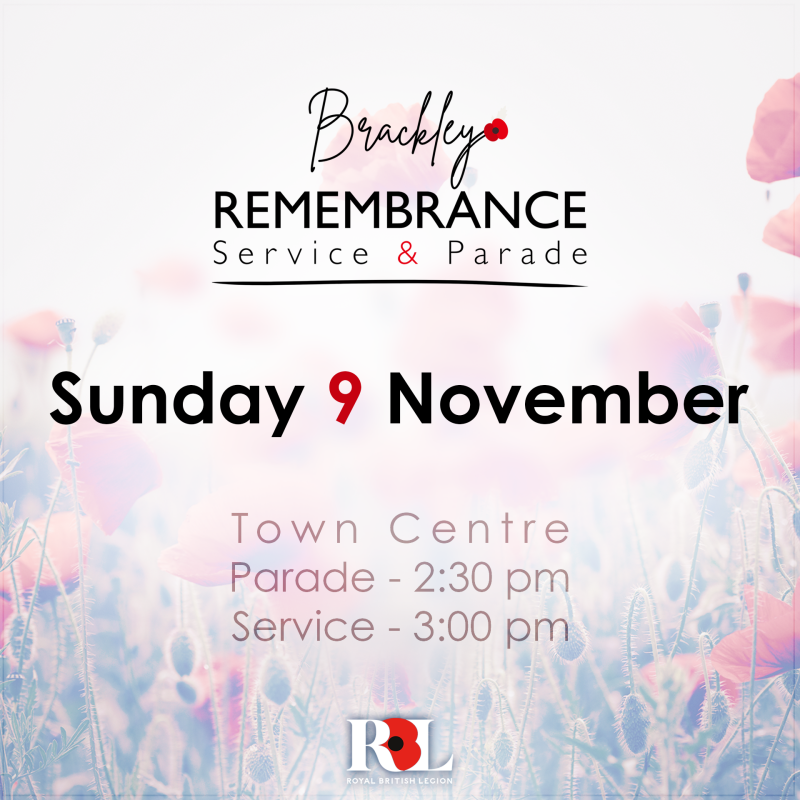
Each year, Remembrance Sunday is marked by various ceremonies across the UK, with the most notable service occurring at the Cenotaph in Whitehall, London. Thousands gather to pay their respects during this solemn occasion, which features a two-minute silence at 11 AM, during which people across the nation stand in reverence. High-ranking officials, including the monarch and Prime Minister, attend the ceremony, placing wreaths to honour the fallen, and veterans partake in parades, showcasing their service and steadfastness.
Recent Developments
This year, events will again take place under the shadow of the ongoing global conflicts and crises, reinforcing the day’s significance. The national dialogue surrounding mental health support for veterans and the care of those currently serving is more prominent than ever. Initiatives aimed at improving mental health resources for ex-servicemen and women are observed as crucial developments in acknowledging the sacrifices of not only the fallen but also those who continue to fight battles long after returning home.
Conclusion
As we approach Remembrance Sunday, it is vital for both individuals and communities to engage in the commemorative acts that pay tribute to the sacrifices made by military personnel. The significance of this day transcends merely remembering the past; it also serves as a reminder of our lasting responsibilities towards veterans and the importance of maintaining peace. In a time where conflict seems prevalent, Remembrance Sunday encourages us to reflect on our collective future, ensuring that the sacrifices of the past are never forgotten.