Introduction
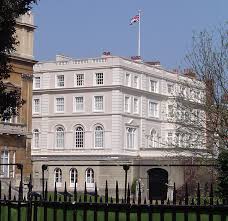
Clarence House, located in the heart of London, serves as an official residence for members of the British Royal Family. Its historical significance and beautiful architecture make it a central point of interest for royal watchers and historians alike. As a key location for royal functions and events, understanding Clarence House is essential for grasping the contemporary role of the monarchy in the United Kingdom.
Historical Background
Built between 1825 and 1827, Clarence House was originally commissioned by King William IV and later became the residence of Queen Elizabeth The Queen Mother from 1953 until her passing in 2002. Following her death, Clarence House has been the home of the Prince of Wales, Prince William, and Duchess of Cornwall, Camilla, helping to cement its pivotal role in the royal fabric of Britain.
Architectural Features
The architecture of Clarence House is an exquisite blend of classical styles, with its stunning facade and beautifully landscaped gardens. The interior includes a collection of treasured artworks and the Queen Mother’s private rooms, showcasing a blend of royal history and modern functionality. Visitors often admire the decorated rooms including the Library, the Morning Room, and the Dining Room, which are occasionally open to the public during special events.
Modern Usage and Significance
Today, Clarence House is primarily used for official functions and receptions, hosting numerous dignitaries and celebrities from all over the world. Its positioning as an official residence enables the Prince of Wales to engage with charitable organisations and initiatives, focusing on environmental issues and social upliftment, vital to modern-day royal duties.
Conclusion
In conclusion, Clarence House represents more than just a royal residence; it embodies the traditions and modern responsibilities of the British monarchy. With its rich history and ongoing involvement in charitable efforts, it serves as a symbol of continuity and adaptation within the royal family. As the monarchy evolves to meet contemporary challenges, Clarence House remains a crucial connection to Britain’s royal heritage, offering a glimpse into the past while fostering a vision for the future.