Introduction
Childcare plays a fundamental role in the developmental stages of children, while also allowing parents to engage in work or education. As the UK continues to recover from the impacts of the COVID-19 pandemic, the childcare sector has become increasingly relevant, not only to families but also to the economy. The debate surrounding childcare policies has gained traction, highlighting the need for accessible and affordable services.
Current Landscape of Childcare in the UK
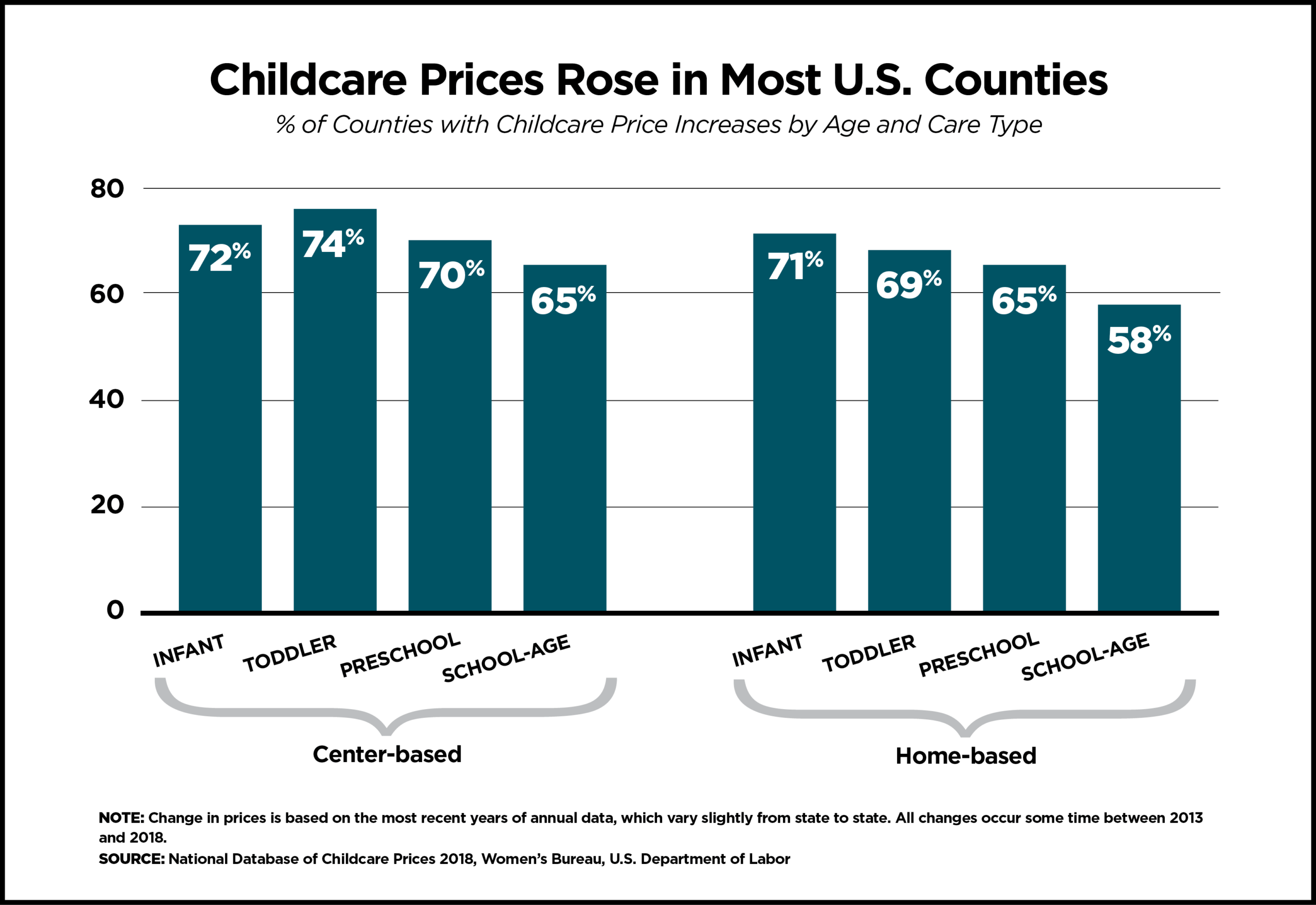
In recent years, the UK has witnessed significant shifts in the childcare sector. According to a 2023 report by the Department for Education, 82% of parents stated that they rely on formal childcare services to support their employment. However, a study conducted by the Childcare Foundation revealed that families are facing a 45% increase in childcare costs since 2015, leading to a growing concern about affordability.
The government has introduced several initiatives aimed at alleviating financial pressure on families, such as the 30 hours free childcare policy for eligible families and the provision of additional funding to support nurseries and childminders. Nevertheless, many providers have reported challenges in maintaining quality while managing costs, which can lead to a decline in available spaces for children.
Impact of COVID-19
The COVID-19 pandemic has further complicated the situation. Childcare providers were amongst the first to close their doors in March 2020, with many unable to survive the financial strain. According to recent statistics, around 7% of childcare settings in England have permanently closed since the onset of the pandemic. This has heightened the need for support systems that can ensure stability and continuity for children’s education and care.
The Way Forward
Experts indicate that addressing childcare issues is crucial not only for child development but also for economic recovery. The Childcare and Early Years Coalition has called for immediate action to increase funding and enhance regulations that focus on quality care. Furthermore, there is a growing consensus on the importance of flexible childcare options, including remote and hybrid models, to meet the diverse needs of families.
Conclusion
As the UK progresses through the post-pandemic landscape, the importance of an effective childcare system cannot be overstated. It has implications that reach far beyond individual families, affecting workforce participation and economic growth. Policymakers, providers, and families alike must work collaboratively to create a sustainable childcare ecosystem that is accessible, affordable, and high-quality for all children. The future of childcare is critical not only for nurturing young minds but also for bolstering the foundation of society itself.