Introduction
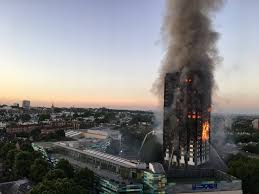
The Grenfell Tower fire, which occurred on June 14, 2017, claimed the lives of 72 individuals and exposed critical flaws in fire safety regulations in the United Kingdom. This tragic event not only sent shockwaves through the local community of North Kensington but also led to a national conversation about the safety of social housing and high-rise buildings. Affected residents and countless families continue to seek justice and accountability while policymakers are urged to enforce systemic changes.
The Events of Grenfell Tower Fire
The Grenfell Tower, a 24-storey residential building, underwent a £10 million renovation, which included the installation of external cladding. Investigations following the disaster revealed that the materials used were highly flammable, raising alarms about safety standards within the construction and housing sectors. Eyewitness accounts detailed horrifying scenes as flames engulfed the building, with residents trapped inside, awaiting rescue.
In the aftermath, a public inquiry was launched to uncover the causes of the fire and evaluate the response from emergency services. The findings of the Grenfell Tower Inquiry, led by Sir Martin Moore-Bick, have been extensive. The inquiry has scrutinised the decision-making processes of both the local council, the building owners, and the firefighters who responded to the disaster.
Changes in Legislation and Safety Regulations
The tragedy prompted immediate reactions, leading to a series of urgent safety reviews across the UK. In 2020, the Government introduced the Building Safety Bill, which aims to overhaul the building regulations and ensure that such an event never occurs again. Moreover, the Hybrid Bill, similar to a new charter of rights for tenants, has been proposed to strengthen the voices of those living in social housing.
The Ongoing Fight for Justice
Families of the victims, alongside survivors, have tirelessly campaigned for accountability. Several key figures have faced scrutiny, including the Kensington and Chelsea Tenant Management Organisation, which has been heavily criticised for its management of Grenfell Tower. Community-led initiatives, including the Grenfell Memorial Commission, have emerged to ensure that the voices of those affected continue to resonate in the policy-making processes. Advocates stress the importance of community safety and transparency in housing management moving forward.
Conclusion
The Grenfell Tower fire remains a pivotal moment in modern British history, serving as a crucial reminder of the health and safety responsibilities owed to residents. Ongoing efforts for justice continue to highlight systemic failures within housing policies and the need for reform. As we reflect on this tragic event, it is vital to commit to collective responsibility, ensuring that all residential environments across the nation are safe and secure for every individual. Only through continuous scrutiny and engagement can we honour the memory of the victims and advocate for those who continue to face similar vulnerabilities.