Introduction
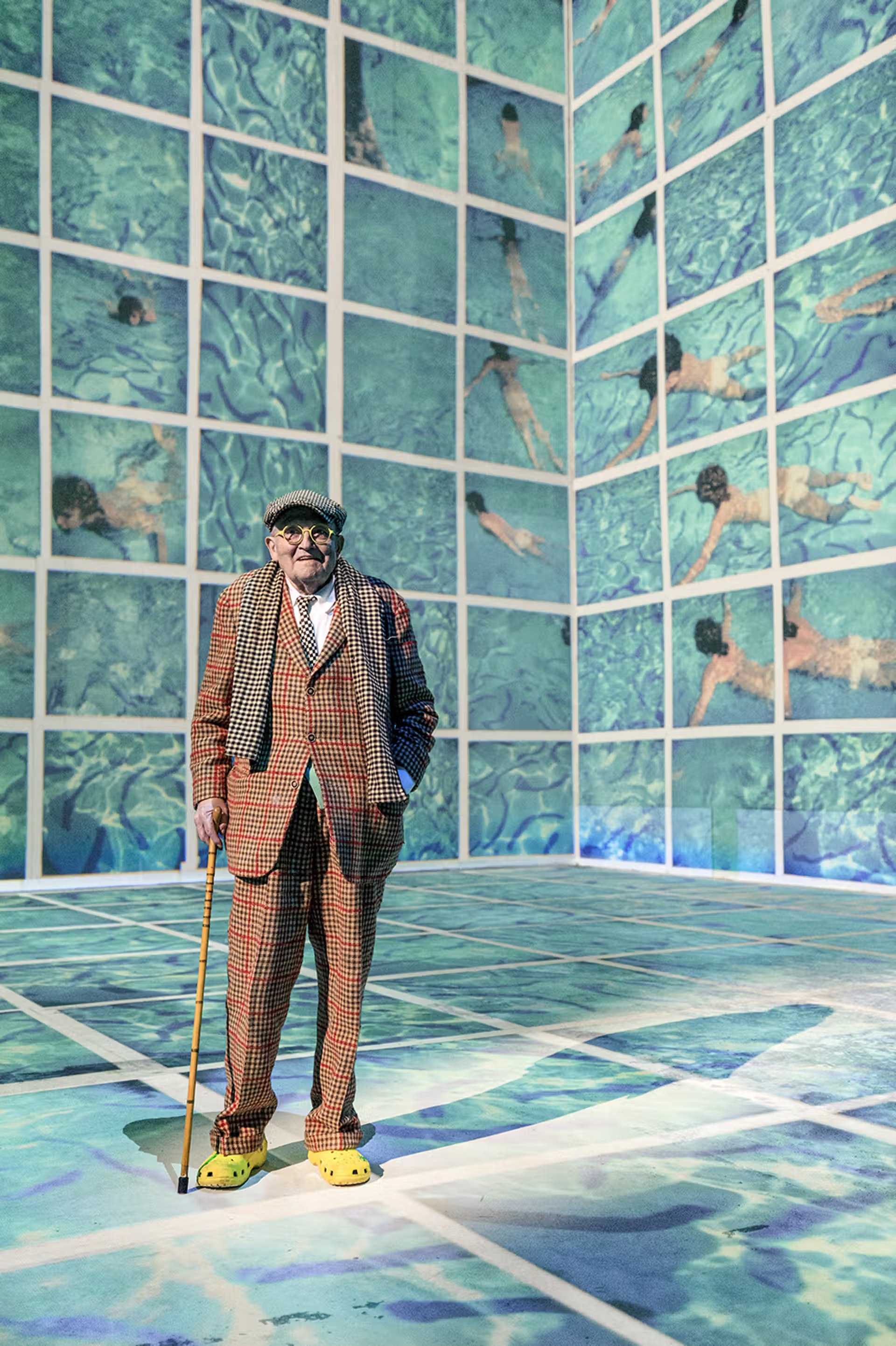
David Hockney, a prominent figure in the world of contemporary art, has made significant contributions to the creative landscape over the past six decades. Known for his vibrant use of colour and innovative techniques, Hockney’s work spans various mediums including painting, drawing, printmaking, photography, and digital art. His relevance today is underscored by ongoing exhibitions and discussions around his influence, particularly in the context of modern narratives surrounding art in a digital age.
Key Contributions and Exhibitions
Born on July 9, 1937, in Bradford, England, Hockney emerged as a leading figure in the Pop Art movement in the 1960s. Works such as “A Bigger Splash” and the iconic “Portrait of an Artist (Pool with Two Figures)” exhibit his unique approach to perspective and form. Recent exhibitions, such as the major retrospective at the Tate Britain in London in 2017, showcased his evolution as an artist while reaffirming his status on the international stage. His work often reflects personal narratives and themes of love, friendship, and the beauty of the everyday, rooted within his own experiences.
Digital Innovations
Hockney has embraced technology throughout his career, notably experimenting with the iPad as a digital canvas. His iPad drawings garnered attention and led to exhibitions that favoured digital art, which some traditionalists have only recently started to accept. Hockney’s willingness to adapt and incorporate new technologies reflects a broader trend within the art world, where boundaries between traditional and contemporary practices are increasingly blurred.
Current Relevance and Future Prospects
As of 2023, Hockney remains active within the art community. His recent work continues to resonate with audiences, raising discussions around identity, space, and perception in contemporary society. The recent shift in art appreciation towards more immersive experiences further solidifies Hockney’s relevance. As art institutions increasingly lean towards incorporating new media, Hockney’s influence is likely to grow, inspiring upcoming generations of artists to explore the intersection of technology and traditional art forms.
Conclusion
David Hockney’s contributions to art are undeniable and continue to evolve with the times. His ability to adapt to new mediums and themes keeps his work fresh and influential. As society progresses further into the digital era, the significance of Hockney’s work and what it represents for contemporary art will continue to be of great interest to both critics and enthusiasts alike.