Introduction
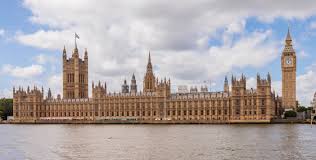
The Houses of Parliament, also known as the Palace of Westminster, stands as one of the most iconic symbols of democracy in the United Kingdom. As the seat of the UK Parliament, it embodies the values of governance, representation, and history. Its significance extends beyond mere architecture; it represents the democratic processes that shape the nation’s laws and policies. Recent events have once again brought the Houses of Parliament into the spotlight, making it essential for the public to understand its role in current political developments.
Overview of the Houses of Parliament
The Houses of Parliament, located on the banks of the River Thames in Westminster, London, is comprised of two houses: the House of Commons and the House of Lords. The House of Commons is made up of Members of Parliament (MPs) who are elected by the public, while the House of Lords consists of appointed and hereditary members. Together, they are responsible for making and passing laws, debating important issues, and scrutinising the work of the government.
Recent Events and Developments
In recent months, the Houses of Parliament have been a focal point for discussions regarding various pressing issues, including climate change legislation and the ongoing debate surrounding Brexit regulations. In September 2023, a significant debate took place regarding new proposed legislation aimed at reducing carbon emissions by 2030, which could have long-term implications for the UK’s environmental policies.
Additionally, with the upcoming general elections, political factions have begun rallying their positions, positioning Brexit negotiations and the state of the economy as crucial topics within Parliament’s chambers. Recent government motions have aimed to address these complex issues, showcasing the vital role the Parliament plays in shaping the country’s future.
Conclusion
The Houses of Parliament remain a pivotal institution not only for the functioning of UK democracy but also for representing the collective voice of its citizens. As political debates intensify, the public’s engagement with Parliament becomes increasingly vital. Understanding the roles and responsibilities of its members, as well as the ongoing legislative discussions, is essential for a well-informed electorate. Looking ahead, the Houses of Parliament will continue to be at the forefront of significant national decisions, ensuring that democratic processes evolve in response to the challenges of the contemporary world.