Introduction
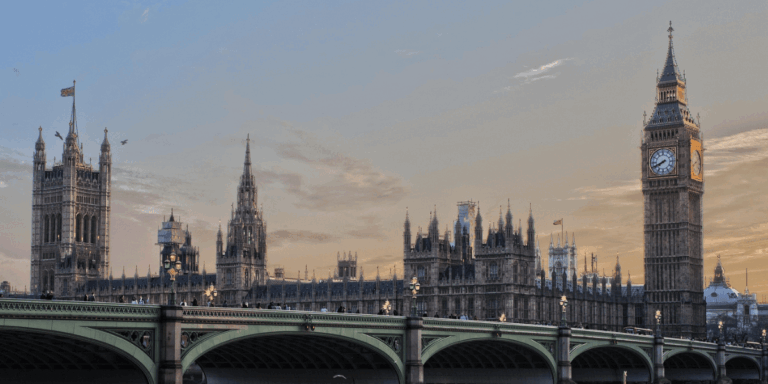
The Houses of Parliament, also known as the Palace of Westminster, is one of the most iconic landmarks in the United Kingdom. As the seat of the UK Parliament, it plays a crucial role in British governance and democracy. The importance of the Houses of Parliament extends beyond its architectural grandeur; it stands as a symbol of political representation, historical continuity, and the principles of democracy. This article delves into its historical significance, architectural elements, and current function within the UK political landscape.
Historical Significance
The history of the Houses of Parliament dates back to the early medieval period when the Anglo-Saxon kings would hold councils in the area. The site has been the heartbeat of British legislation since 1295 when traditional parliamentary meetings began to take place. Major renovations occurred after a devastating fire in 1834, leading to the current Gothic Revival design by architect Charles Barry, completed in the 1860s.
Architectural Marvel
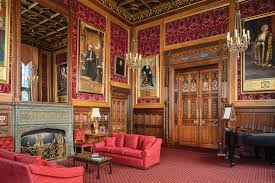
The Houses of Parliament are a stunning example of Gothic architecture, featuring the iconic clock tower, known as Big Ben, which has become synonymous with London itself. The building’s intricate façade, decorative stonework, and grand interiors reflect a commitment to craftsmanship and an appreciation for British history. Each chamber, the House of Commons and the House of Lords, is uniquely designed to facilitate its specific functions, promoting debate and decision-making in a democratic context.
Current Functions
Today, the Houses of Parliament continues to serve its fundamental role as the legislative body of the United Kingdom. It houses two key chambers: the House of Commons, consisting of Members of Parliament (MPs) elected by the public, and the House of Lords, made up of appointed members, bishops, and hereditary peers. Together, they formulate and discuss legislation that impacts citizens’ lives. Recent debates have focused on critical issues such as climate change, the economy, and national security, demonstrating the Houses’ relevance in contemporary society.
Conclusion
The Houses of Parliament are more than just a beautiful landmark; they are a testament to democracy and the ongoing evolution of governance in the UK. As the political landscape continues to shift, the Parliament adapts, facing challenges while upholding the tenets of representation and accountability. For citizens, the importance of the Houses of Parliament lies in their connection to decision-making processes that shape their lives, making it essential to engage with and understand this pivotal institution.