Introduction
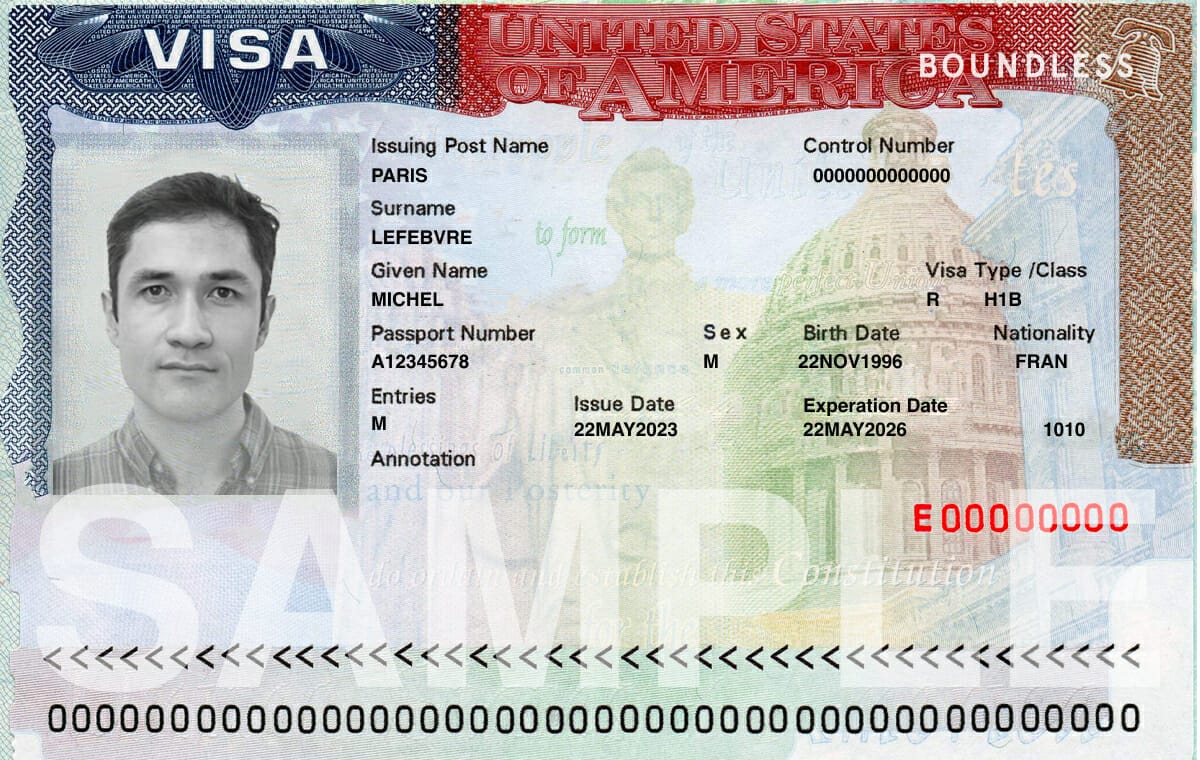
The H1B visa is a non-immigrant visa that allows U.S. companies to employ foreign workers in specialty occupations. As the demand for skilled labour continues to rise, particularly in sectors like technology and healthcare, understanding the H1B visa’s significance is increasingly vital for potential international employees and U.S. employers alike.
What is the H1B Visa?
Introduced in 1990, the H1B visa programme is designed for workers in fields that typically require a higher education degree. Jobs that qualify include roles in science, engineering, IT, and more. As of 2021, the annual cap for new H1B visas is set at 65,000, with an additional 20,000 reserved for those holding advanced degrees from U.S. institutions. The programme plays a crucial role in addressing the skills gap in the American labour market.
Current Changes and Developments
Recent changes in policy have sparked discussions surrounding the H1B visa programme. In early 2023, the U.S. Citizenship and Immigration Services (USCIS) proposed several reforms aimed at expediting visa processing and enhancing transparency in the selection process. These changes are seen as necessary to counter the prolonged delays and bureaucratic challenges that have afflicted the programme in recent years. Furthermore, the Biden administration has shown a commitment to restoring and enhancing the visa process, providing a sigh of relief to many waiting for opportunities.
Challenges Faced by H1B Visa Holders
Despite the opportunities the H1B visa offers, holders often face challenges. A significant hurdle is the lengthy and complicated approval process, which can take several months, if not longer. Additionally, many visa holders struggle with job security, as their immigration status is closely tied to their employment. If a holder loses their job, they must find a new employer willing to sponsor another petition within a 60-day grace period or face deportation.
Significance for Readers
For employers, staying informed about the H1B visa process is essential for securing the talent needed to compete in a global market. For prospective applicants, understanding current trends and changes can significantly impact their career journeys. With many companies increasingly reliant on international talent, the importance of the H1B visa will only grow. Proactive measures and awareness can lead to more effective navigation of this essential aspect of the U.S. employment landscape.
Conclusion
The H1B visa continues to be a crucial gateway for skilled foreign workers looking to contribute to the U.S. economy. As policies evolve, stakeholders should remain aware of changes that could impact employment opportunities. Ultimately, the H1B visa programme not only shapes the lives of thousands but also influences the broader landscape of the U.S. job market and economy.