Introduction to ‘The Forsytes’
The Forsyte Saga, written by John Galsworthy, is a remarkable exploration of the lives, loves, and losses of a wealthy London family from the late 19th century into the early 20th century. This literary work encapsulates the struggles of the bourgeoisie, providing readers with a detailed depiction of British society during a time of significant change. The reverberations of Galsworthy’s narrative are still felt today, making it an essential study for those interested in the evolution of social commentary in literature.
A Rich Tapestry of Characters and Themes
First published in 1906, the Forsyte family saga comprises three novels and several interludes, showcasing characters like Soames Forsyte, a wealthy but emotionally closed architect, and his free-spirited wife, Irene. Galsworthy intricately weaves themes such as obsession, materialism, and the conflict between tradition and modernity. As the saga unfolds, readers witness the consequences of societal norms and the relentless pursuit of wealth, leading to personal tragedies within the Forsyte family.
Current Relevance and Adaptations
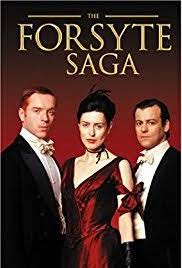
Recently, the Forsyte legacy has gained renewed interest, evidenced by various adaptations for television and stage. The latest adaptation aired in the early 2000s and reignited discussions regarding class distinction and the value system that drives human connections. Critics remark how Galsworthy’s treatment of these themes resonates in today’s society, where wealth still divides and influences relationships.
Significance of ‘The Forsytes’
Galsworthy was awarded the Nobel Prize in Literature in 1932, signifying the importance of his work in portraying the dynamics of social change. The Forsyte Saga is more than just a family story. It mirrors the transition from Victorian values to the complexities of modern life, making it a critical piece for studying societal evolution. New generations continue to find relevance in its exploration of the human condition, reflecting on how class and culture shape lives.
Conclusion
In conclusion, ‘The Forsytes’ remains a significant literary achievement that continues to offer insights into societal structures and human relationships. As readers explore Galsworthy’s world of the Forsyte family, they are challenged to consider the implications of wealth and its impact on personal freedom and emotional fulfillment. As we move forward, the themes of class conflict and societal expectations presented in this saga will likely remain pertinent, prompting continued exploration and discussion in academic and literary circles.