Introduction
Xinjiang, a region in northwest China, has become a focal point of international concern due to human rights issues and geopolitical tensions. The significance of Xinjiang extends beyond its geographical boundaries; it symbolizes the intersection of ethnic, cultural, and political struggles. Understanding the current situation in Xinjiang is crucial for comprehending wider global dynamics, particularly regarding human rights and state control.
Ongoing Human Rights Concerns
Reports from various human rights organizations have brought to light allegations of mass detentions, forced labour, and cultural erasure that have raised global alarm. The Chinese government is accused of repressing the Uyghur Muslim population, who comprise a significant part of the region’s demographics. Estimates hint that over a million Uyghurs and other Muslim minorities have been detained in what Beijing describes as “re-education camps,” purportedly aimed at combating extremism.
International Response
The international community has not been silent regarding the developments in Xinjiang. Several nations, including the United States and members of the European Union, have condemned China’s actions and imposed sanctions on individuals and entities linked to human rights abuses in the region. In 2022, a United Nations report corroborated many of these allegations, prompting renewed calls for accountability from diverse global actors.
Economic Implications
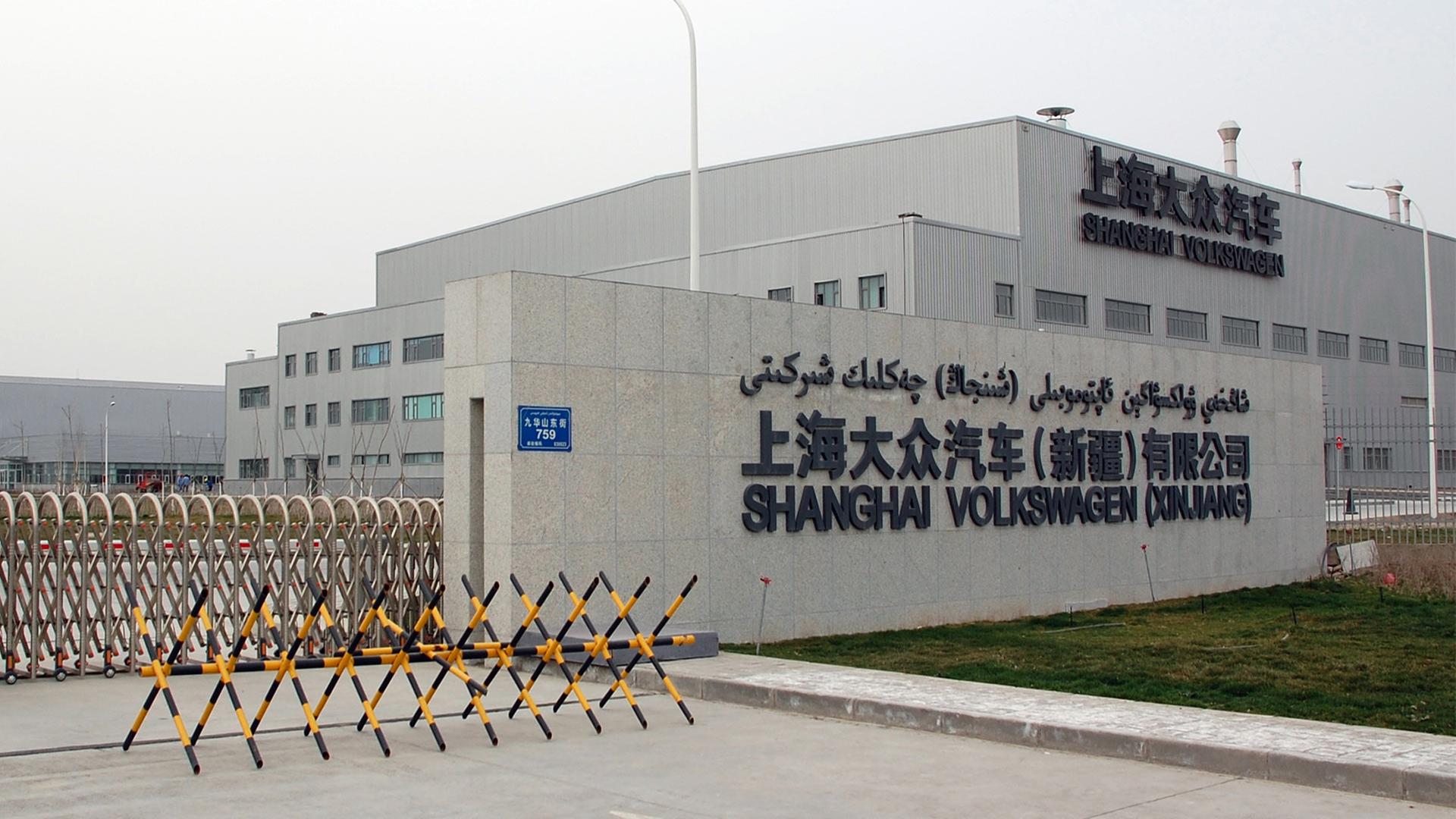
Furthermore, Xinjiang’s wealth of natural resources and its strategic location as part of the Belt and Road Initiative make it a region of economic significance. However, the ongoing controversies have led to increased scrutiny affecting trade agreements. Companies and nations sourcing materials from Xinjiang face reputational risks and potential boycotts from consumers increasingly concerned about ethical practices.
Cultural Tensions
The region is also marked by significant cultural tensions, as the Chinese government implements policies aimed at promoting Han Chinese identity while suppressing Uyghur traditions and language. This cultural erosion has sparked a need for advocacy and solidarity from global citizens, drawing attention to the fundamental rights of ethnic minorities.
Conclusion
As we navigate through the complexities surrounding Xinjiang, it remains evident that the situation is not only a regional issue but an international one with far-reaching implications for human rights, geopolitics, and global trade. The future of Xinjiang rests on the balance between national security narratives and individual freedoms, a topic that continues to generate debate within international forums. For readers, remaining informed about Xinjiang’s situation is essential for fostering dialogue and understanding the delicate dynamics influencing international relations.