Introduction
The situation in Ukraine remains critical and continues to draw international attention due to its implications for global security and geopolitical stability. Following Russia’s invasion in February 2022, Ukraine has been at the forefront of a humanitarian and military crisis that has ramifications not just for Europe, but for the entire world. As of late 2023, the conflict persists with no clear resolution in sight, making it essential to understand the current dynamics at play.
Current State of Affairs
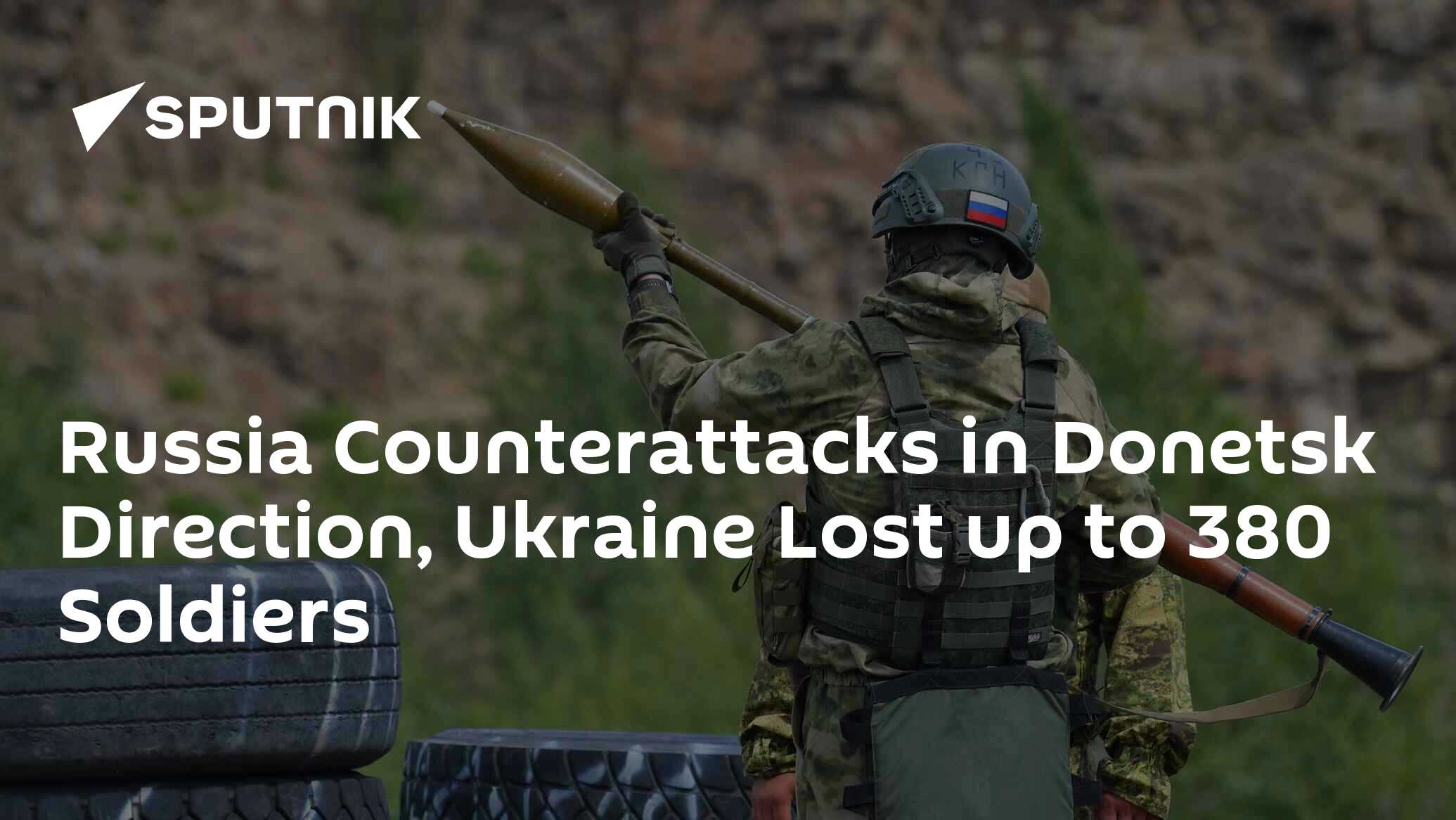
Ukraine has been engaged in a fierce military struggle against Russian forces, with heavy casualties reported on both sides. In recent months, both Ukrainian and Russian military operations have escalated, particularly in the eastern region of Donbas. According to the Ukrainian government, ongoing efforts to reclaim occupied territories have led to significant but costly victories, particularly in key strategic areas. The heavy fighting, however, has resulted in a dire humanitarian situation, with millions of Ukrainians displaced both internally and as refugees in neighbouring nations.
Internationally, Ukraine has received substantial support from Western nations, including military aid and economic sanctions against Russia. NATO countries have stepped up their military assistance, and policymakers are exploring further measures to bolster Ukraine’s defence capabilities. Public sentiment in many nations has largely been in support of Ukraine, contributing to a robust diplomatic effort to isolate Russia and counteract its policies.
Global Implications
The ongoing conflict in Ukraine has far-reaching implications beyond its borders. Energy prices have spiked globally, particularly in Europe, as countries seek alternatives to Russian gas supplies. Economies around the world are feeling the effects of these supply chain disruptions, exacerbating the inflationary pressures already felt due to other factors such as the COVID-19 pandemic.
Moreover, the conflict has reignited discussions regarding NATO’s role in European security and the need for collective defence strategies in light of potential future aggressions. Experts warn that unresolved tensions in Ukraine could lead to a protracted conflict, drawing in additional regional players and further destabilising the area.
Conclusion
In conclusion, the situation in Ukraine is a pivotal moment in contemporary history that requires close monitoring and international cooperation. The outcome of this conflict will influence not only the future of Ukraine but also the geopolitical landscape of Europe and beyond. As global leaders continue to navigate this crisis, the need for a sustainable resolution remains paramount. For readers, staying informed about the developments in Ukraine is crucial, as the implications may resonate in various aspects of life, including economic stability, security policy, and international relations.