Introduction
The Russian Federation, the world’s largest country by land area, remains a focal point in international relations and geopolitical discussions. Not only does Russia hold substantial military and economic power, but its actions also significantly influence global events. Recent developments within the country, in the context of its political landscape and international tensions, render it of the utmost importance for observers and policymakers alike.
Recent Developments
As of October 2023, Russia finds itself amidst various internal and external challenges that are reshaping its global standing. Domestically, President Vladimir Putin remains in power amid an ongoing military operation in Ukraine, which has resulted in widespread international condemnation and sanctions imposed by Western nations. These sanctions have impacted the Russian economy, leading to increased inflation rates and a devaluation of the ruble. A recent report by the Russian central bank suggested a contraction in economic growth for the foreseeable future, attributing this decline largely to the sanctions regime.
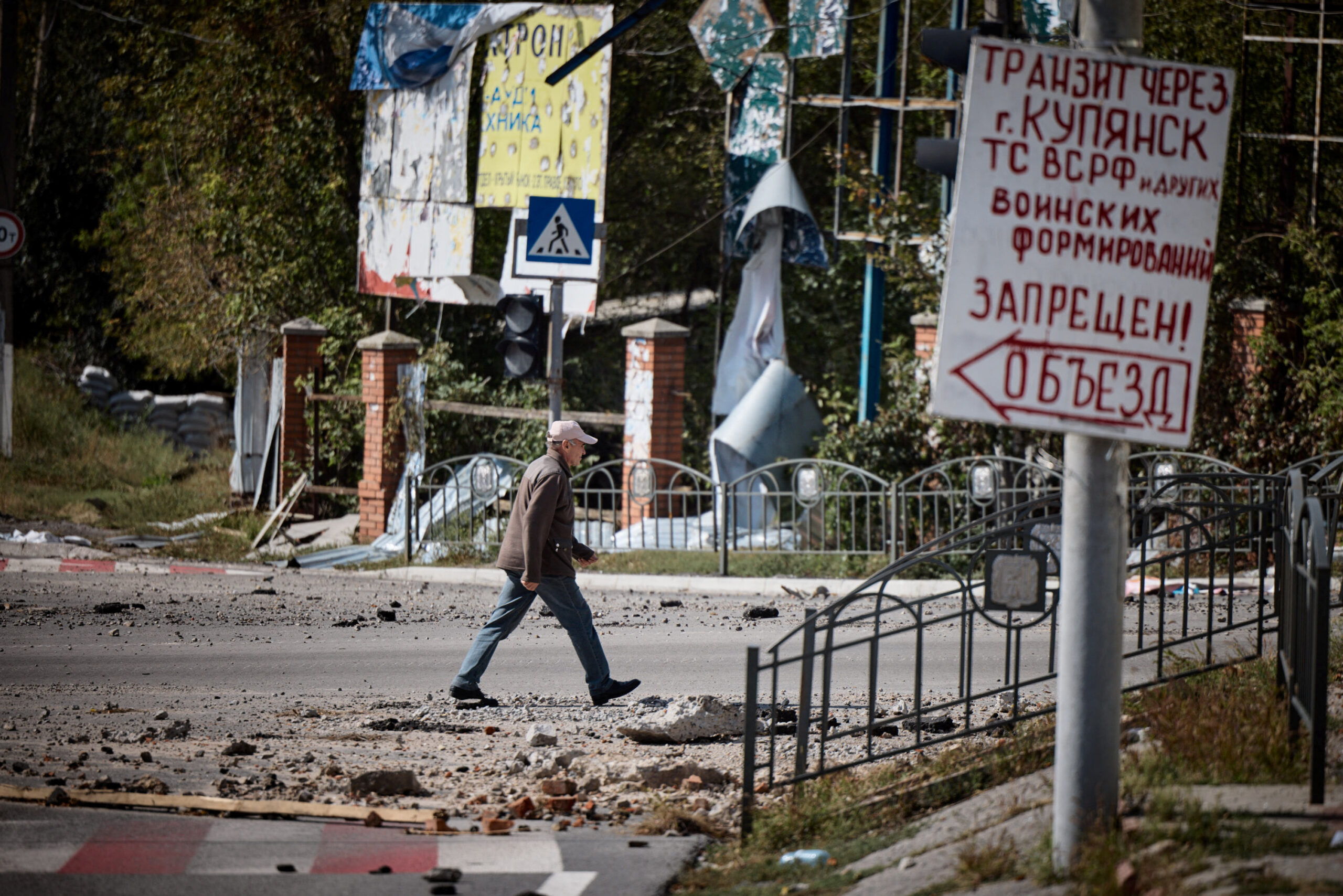
In addition to the economic aspects, Russia’s political landscape is also changing. This month, there has been a series of protests across major cities, primarily driven by growing discontent over the government’s handling of the economy and ongoing military engagements. Human rights groups estimate that thousands have been detained during these protests as officials clamp down on dissent. The Kremlin’s response has reinforced its position, declaring that maintaining national security remains a top priority.
International Relations and Tensions
On the international front, Russia’s relationship with Western countries continues to be strained. NATO has expressed concerns over Russia’s military actions, particularly in Eastern Europe, and has increased its presence in the region as a deterrent. Diplomatic efforts to resolve tensions have seen limited success, with high-profile meetings between NATO officials and Russian representatives yielding minimal progress.
Moreover, Russia is seeking to strengthen ties with non-Western countries, particularly in Asia, to counterbalance Western sanctions. Recent trade agreements with China and India highlight this shift in focus. Experts note that Russia’s pivot towards Asia might alter the dynamics of global trade and alliances in the coming years.
Conclusion
The situation in Russia is complex and multi-faceted, affected by domestic unrest, economic challenges, and shifting international alliances. As the country grapples with these issues, the global community must pay close attention to its developments. Observers predict that the trajectory of Russia’s policies and actions will significantly impact not just regional stability but also international relations. It remains to be seen how effective the Kremlin will be in mitigating internal dissent while navigating its foreign relations amidst ongoing geopolitical tensions.