Introduction
The situation in Palestine continues to be a focal point of global discussions, with historical roots and modern-day implications that resonate around the world. Understanding this complex topic is crucial as it not only affects the lives of millions but also has broader implications on international relations, regional stability, and human rights.
The Current State of Affairs
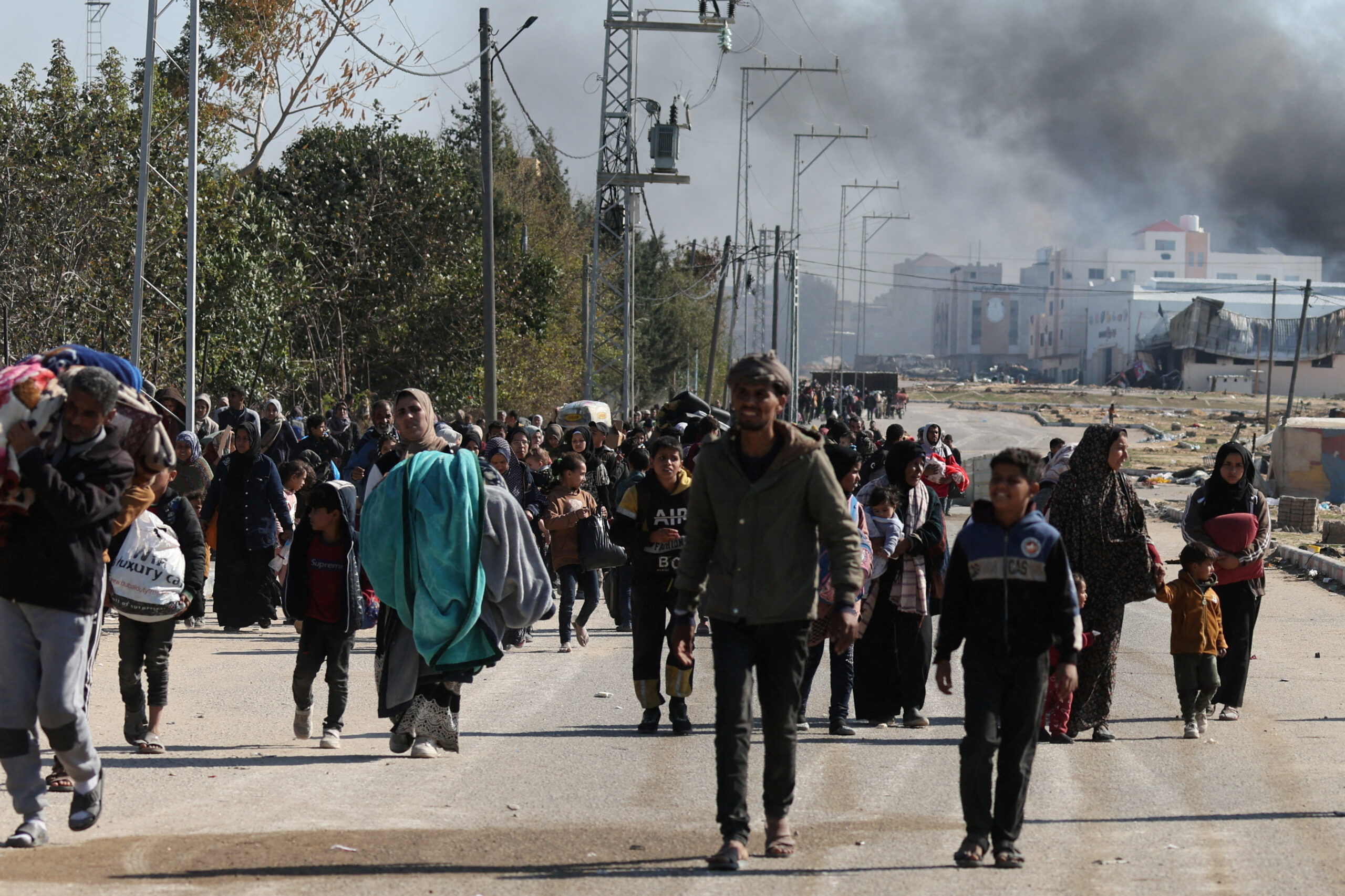
As of October 2023, the Israeli-Palestinian conflict remains unresolved, with significant escalations occurring over the past few months. The Hamas-led government in Gaza has conducted several operations against Israel, resulting in retaliatory strikes that have heightened tensions. Recent reports from various human rights organisations indicate that thousands of civilians have been affected, exacerbating the humanitarian crisis in the region.
Furthermore, the ongoing settlement expansions by Israel in the West Bank have drawn international criticism and have led many to question the viability of a two-state solution, which has been regarded as a potential path to peace for decades. The United Nations continues to call for the cessation of these expansions, labelling them as illegal under international law.
International Reactions
Global responses have varied widely, with some nations voicing strong support for Palestine through diplomatic channels, while others affirm Israel’s right to defend itself. The recent shift in the United States’ foreign policy, with a focus on promoting peace through renewed dialogues, highlights the ongoing complexity of the situation.
Several protests and rallies advocating for Palestinian rights have taken place across major cities worldwide, reflecting public sentiment that grows increasingly frustrated with the lack of progress towards a resolution. Non-governmental organisations are also heavily involved, providing aid and calling for accountability from both sides.
Conclusion
As the situation in Palestine remains precarious, it is imperative for the international community to engage in meaningful dialogue aimed at conflict resolution. The prospects for peace may seem dim, yet continued advocacy and support for humanitarian efforts are essential. Observers warn that without significant and sustained engagement, the cycle of violence may continue, producing further instability in the Middle East and beyond.
The importance of understanding the nuances of the situation cannot be overstated, as it influences geopolitical dynamics and the wellbeing of millions. Moving forward, it is crucial that both local and global leaders collaborate towards a pathway that ensures peace, stability, and respect for human rights in the region.