Introduction
The share price of Lloyds Banking Group is a critical barometer for investors interested in the performance of one of the UK’s major financial institutions. Given the bank’s extensive market influence and role in the UK economy, understanding the fluctuations in its share price can aid in making informed investment decisions. In recent months, factors such as economic recovery post-pandemic, interest rate changes, and regulatory developments have significantly impacted Lloyds’ share price.
Recent Share Price Developments
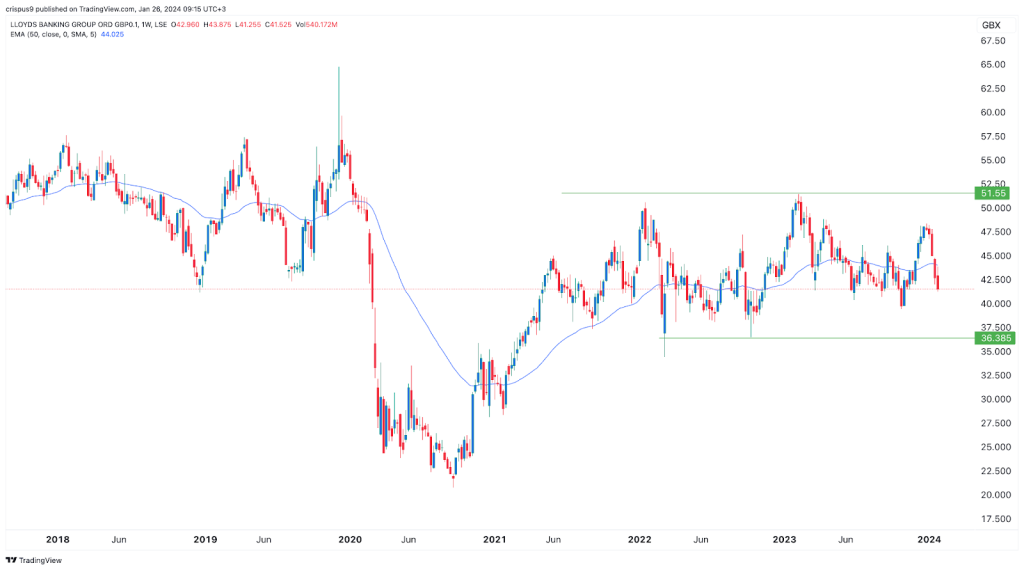
As of October 2023, the Lloyds share price has experienced notable volatility. In September, the price hovered around £0.45 per share, reflecting investor concerns about rising inflation and its potential impact on interest rates. However, a more recent rally has seen the share price recover slightly, now standing at approximately £0.50 per share. Analysts attribute this increase to positive economic indicators, including a rise in consumer spending and a stabilising property market.
Factors Influencing Lloyds Share Price
Several key factors are currently influencing the Lloyds share price. First, the Bank of England’s monetary policy, particularly concerning interest rates, plays a pivotal role. Following several months of increases, the bank’s decision to maintain rates could provide a stable environment for banks, including Lloyds, to optimise their lending margins.
Additionally, the bank’s quarterly financial results released in late September showcased a strong performance, with profit figures exceeding analysts’ expectations. This has contributed to investor confidence, driving demand for shares. Furthermore, Lloyds’ focus on digital banking innovations and cost-cutting measures has had a positive impact on its operational efficiency, bolstering its appeal to investors.
Market Sentiment and Future Outlook
Market sentiment around the Lloyds share price remains cautiously optimistic as analysts predict moderate growth over the next year. The bank’s ability to adapt to changing market conditions, coupled with its solid financial position, serves as a foundation for potential share price appreciation. However, external conditions such as geopolitical events and further economic uncertainties could present challenges ahead.
Conclusion
In summary, the Lloyds share price is subject to various internal and external factors, making it crucial for stakeholders to stay informed. Current trends suggest a cautiously positive outlook driven by solid financial performance and strategic initiatives. For investors, understanding these dynamics is vital for navigating potential investment opportunities within the evolving landscape of the UK banking sector.