Introduction
The crisis in Sudan has escalated dramatically since April 2023, as fighting broke out between the Sudanese Armed Forces (SAF) and the Rapid Support Forces (RSF). This conflict not only poses a severe threat to the stability of Sudan but also has far-reaching implications for neighbouring countries and beyond. Understanding the gravity of this situation is crucial for the international community and humanitarian organisations as they respond to the rapidly deteriorating conditions.
Current Events
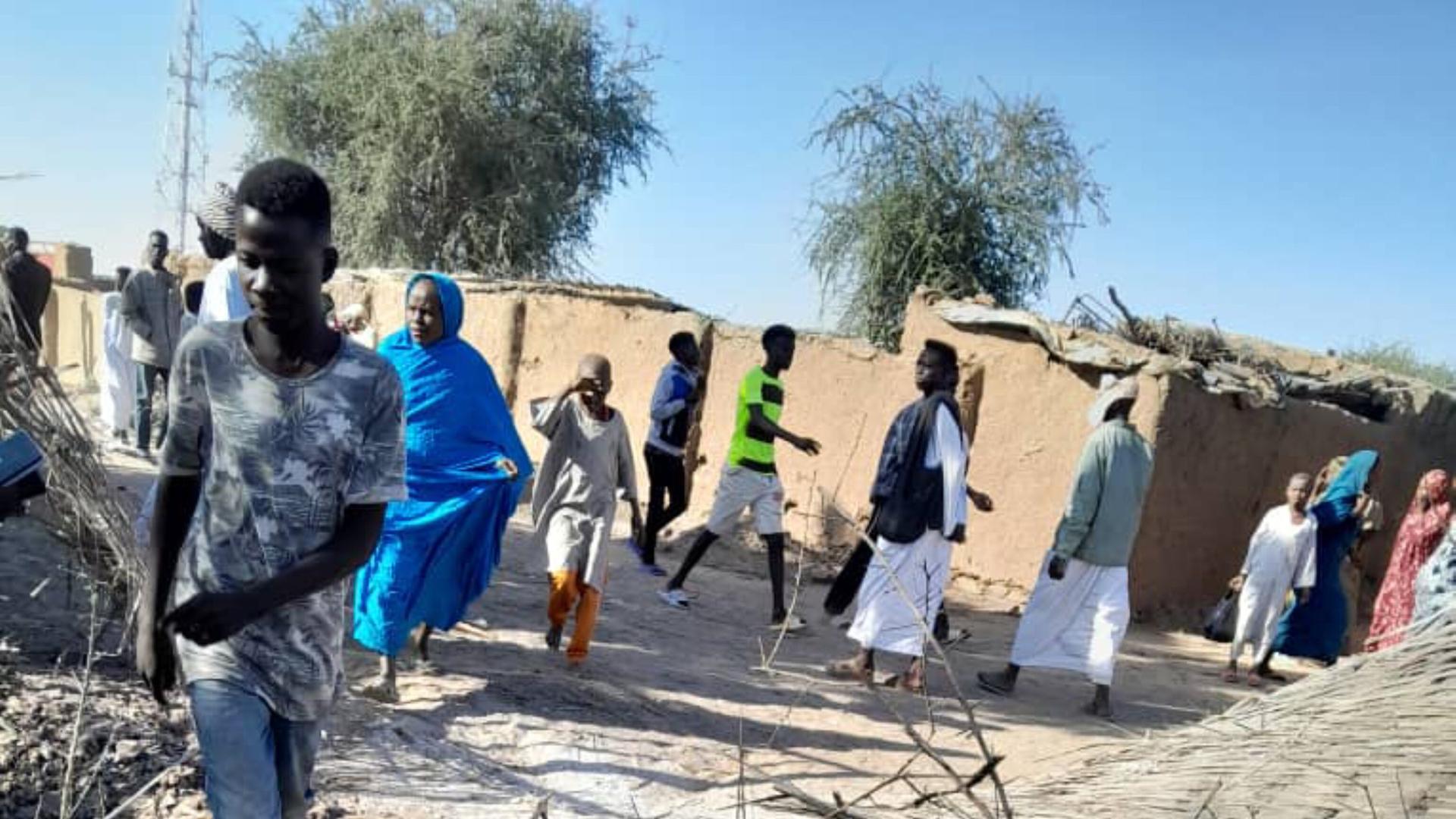
The armed clashes began shortly after the power-sharing agreement between the military and civilian leaders collapsed. Initially regarded as an opportunity to transition to a civilian-led government, the political instability quickly devolved into violence. Recent reports suggest that the fighting has resulted in thousands of deaths and displaced upwards of 2 million people, with many fleeing to neighbouring countries like Chad and South Sudan.
As fighting continues in urban environments, including Khartoum, access to basic necessities such as food, water, and medical care has become critically limited. Human rights organisations have expressed alarm over reports of ethnic targeting, sexual violence, and widespread looting, further exacerbating the humanitarian crisis.
The Humanitarian Impact
The humanitarian situation in Sudan is dire. The United Nations estimates that more than 25 million people—over half the population—are in urgent need of humanitarian assistance. As aid agencies struggle to operate in conflict zones, the escalating violence has hindered their efforts to deliver much-needed supplies. Many health facilities have been forced to close, and those remaining open face shortages of medicine and equipment.
Additionally, a cholera outbreak has been reported in several regions as water and sanitation conditions deteriorate. In response to this crisis, several nations have initiated evacuations of their nationals from Sudan, while international calls for a ceasefire grow louder.
Conclusion
The ongoing conflict in Sudan highlights the pressing need for international mediation and support. As fighting continues, the immediate focus must be on providing humanitarian relief to the millions affected. The situation remains fluid, with potential for further escalation if not addressed promptly. For the international community, the challenge lies not only in restoring peace but also in laying the groundwork for a stable and prosperous Sudan. Understanding Sudan’s complex situation is vital for anyone interested in global humanitarian issues and the well-being of vulnerable populations.