Introduction
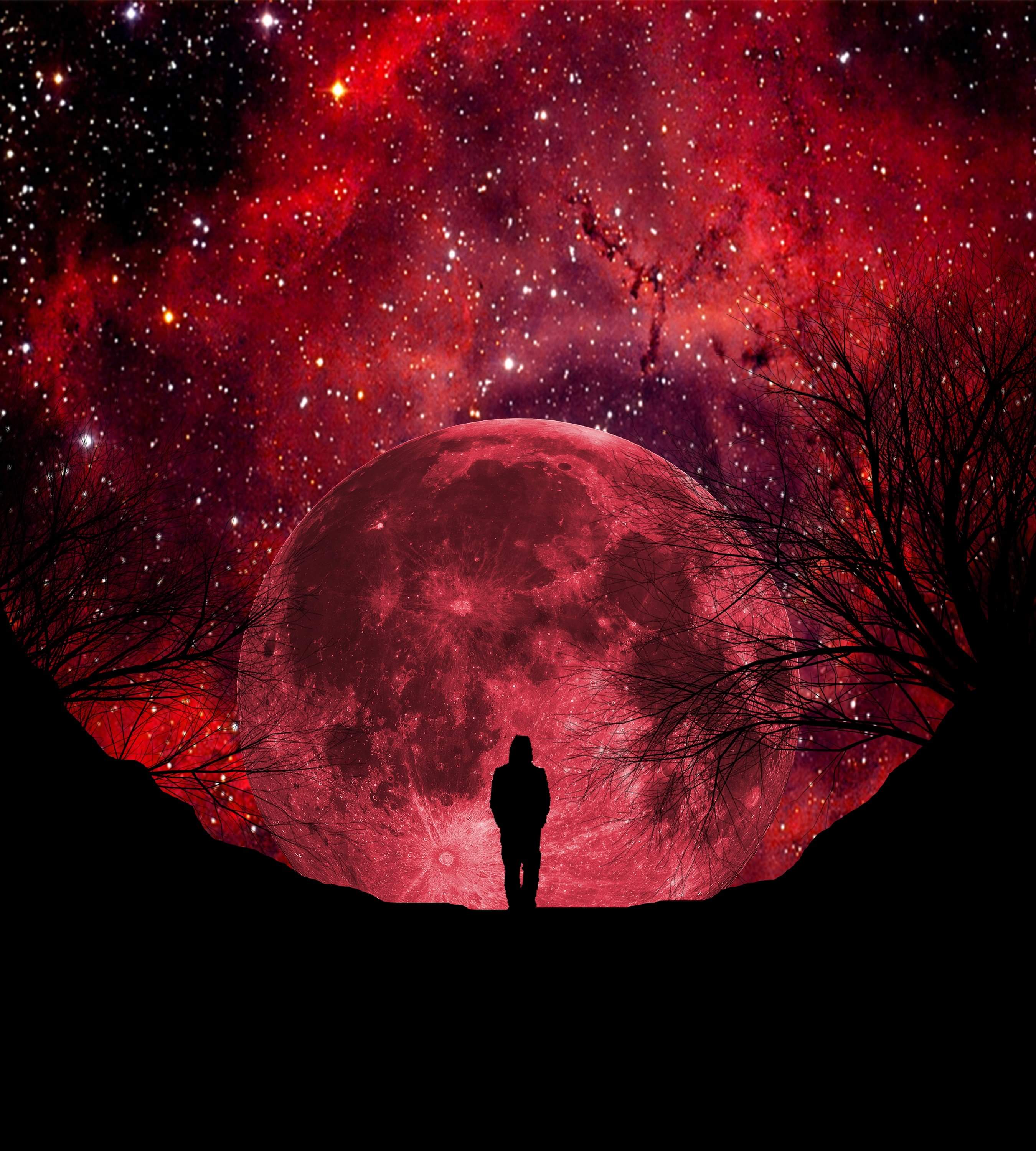
The phenomenon known as the crimson moon, often associated with lunar eclipses and atmospheric conditions, has captured the attention of both scientists and enthusiasts alike. Its vibrant red hue is not just a visual spectacle; it holds significant cultural and astronomical importance. Understanding the crimson moon allows us to appreciate the Earth’s atmospheric dynamics and its metaphorical implications in various cultures.
The Science Behind the Crimson Moon
The crimson moon typically occurs during total lunar eclipses when the Earth comes directly between the sun and the moon. This alignment causes the Earth’s shadow to fall on the moon, and the scattering of sunlight through Earth’s atmosphere gives the moon its striking red appearance. This year, a particularly notable occurrence of the crimson moon was observed on October 28, coinciding with a total lunar eclipse. Astronomy experts highlighted that atmospheric conditions such as dust and pollution can enhance the intensity of the red colouring, making some eclipses more visually striking than others.
Cultural Relevance
The crimson moon has been steeped in lore and symbolism across various cultures. In many indigenous communities, it is viewed as a time for reflection and renewal. Some cultures associate it with fertility, while others interpret it as a sign of change or transformation. For instance, festivals celebrating harvest and gratitude often coincide with the occurrence of a crimson moon. In recent times, the crimson moon has inspired various art forms, poetry, and events, encouraging people to engage with astronomy from a cultural perspective.
Recent Events and Observations
Many communities around the globe took the opportunity to gather for sky-watching events during the recent crimson moon. Observatories reported increased attendance, showcasing lectures on lunar phenomena and the importance of the moon in navigation and agriculture. Additionally, social media platforms saw a surge in images and videos of the crimson moon, illustrating its allure and the fascination it commands among people of all ages. The event highlighted a growing interest in astronomy and an appreciation for the natural world.
Conclusion
The crimson moon is more than a transient astronomical event; it serves as a bridge between science and cultural heritage. As we continue to witness such celestial phenomena, the crimson moon stands as a reminder of our connection to the universe and to one another. With future lunar eclipses on the horizon, enthusiasts and casual observers alike can look forward to new opportunities to experience and celebrate the beauty of our solar system. Understanding the crimson moon enriches our lives, fueling curiosity and inspiring wonder about the cosmos.