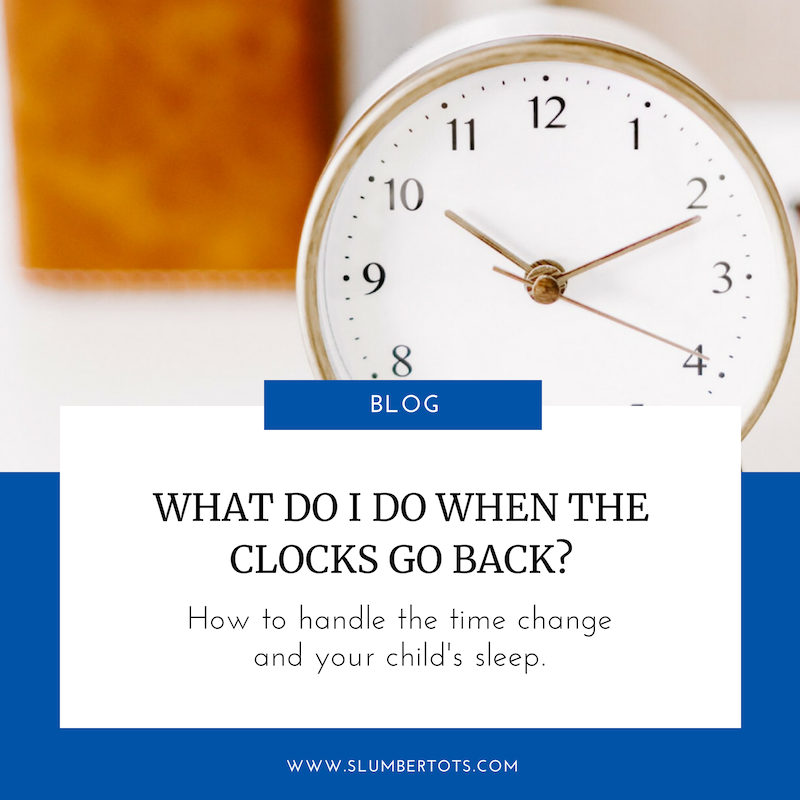
The Importance of Clocks Going Back
Every autumn, millions of people around the UK, and indeed across many countries, prepare for the annual tradition of turning their clocks back one hour as daylight saving time (DST) comes to an end. This event typically takes place on the last Sunday of October. As we set our clocks back, it signals a shift in our daily routines, seasonal activities, and even our mood, highlighting the importance of understanding the effects of time changes on our lives.
When and Why Do the Clocks Go Back?
This year, the clocks will go back at 2:00 AM on October 29, 2023. As a result, time will revert to 1:00 AM. This change is associated with the broader concept of daylight saving time, introduced during World War I to conserve energy by making better use of daylight. The rationale is that adjusting the clocks ensures that lighter evenings can be enjoyed for longer.
Effects on Daily Life
The practice of changing the clocks has an undeniable impact on various aspects of life. Firstly, it affects our daily schedule; evenings will become darker sooner, which might influence outdoor activities, public transport timetables, and retail hours. Many people notice the change in light can also influence their mood, with shorter days leading to an increase in instances of seasonal affective disorder (SAD).
Health Considerations
Health experts advise that the transition can also disrupt sleep patterns, as individuals may require time to adjust their internal biological clocks. Studies have shown a slight spike in heart attacks and road accidents in the days following the time change, triggering discussions about the necessity of continuing this practice. Some experts argue that it may be better for health and safety to abolish the clock change altogether.
What Lies Ahead?
There are ongoing debates in the UK and the European Union regarding the future of daylight saving time, with some advocating for a permanent shift to one time zone to eliminate the biannual clock adjustments. As people adapt to the change this October, it serves as a reminder of how these small adjustments can have ripple effects on our lives.
Conclusion
As the clocks go back this October, it signifies both a transition in our schedules and a bigger conversation about time management and health. While many relish the cozy evenings by a fireplace, the impact of such a change should be considered carefully and could provoke future changes in policy. For now, mark your calendars and prepare for what the shorter days may bring.



