Introduction
The Central Line is one of the most significant routes on the London Underground network, providing essential transport across the capital. Serving millions of passengers daily, its importance cannot be overstated, especially as the city continues to evolve and expand. Recent developments, including upgrades and enhancements aimed at improving efficiency and user experience, highlight the line’s ongoing relevance in London’s public transport framework.
Key Facts and Developments
Historical Significance: The Central Line was officially opened in 1900 and has since grown to stretch 46 kilometres, with 49 stations. It is identifiable by its iconic red colour on the Tube map and serves areas from West Ruislip in the west to Epping in the east.
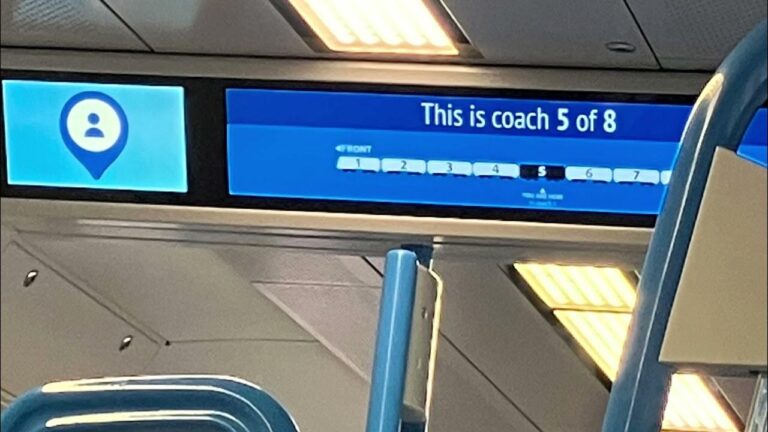
Recent Upgrades: Transport for London (TfL) has invested heavily in upgrades to the Central Line, focusing on improving accessibility and increasing capacity. Key projects include the refurbishment of stations, allowing for easier access for those with disabilities and enhancing user comfort. In 2022, new trains were introduced that are designed to alleviate overcrowding during peak hours, with features including wider doors and improved passenger information systems.
Impact on Commuters: The Central Line serves a diverse demographic, from daily commuters to tourists. Recent surveys indicate that nearly half a million passengers use the line each day. As London’s population grows, the demand for efficient public transport continues to rise. Upgrades to the Central Line are thus seen as crucial to maintaining flow and accessibility in the face of increasing pressure on the network.
Conclusion
The Central Line remains a cornerstone of London’s transport infrastructure. As awareness of climate change and urban congestion grows, public transport’s role becomes even more critical in promoting sustainable city living. Looking ahead, further investments and innovations are expected to enhance the Central Line services, promising increased reliability and user satisfaction. This not only benefits daily commuters but also supports tourism and the broader economy, underscoring the significance of the Central Line in modern London.