Introduction
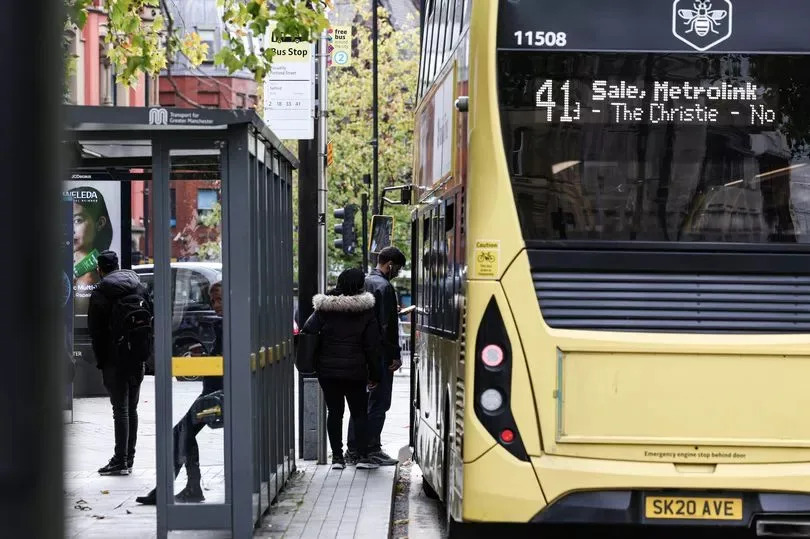
Bus strikes in Manchester have become a significant issue affecting daily commuters and the overall public transport system in the city. The importance of this topic lies in its wide-ranging implications for residents who rely on bus services for their daily travels. With escalating labor disputes and demands for improved working conditions, the bus service disruptions are causing considerable inconvenience and prompting discussions about the future of public transport in the region.
Current Situation
As of October 2023, multiple bus routes in Manchester have faced strikes that have led to major service cancellations and delays. The root cause of these strikes stems from ongoing negotiations between bus drivers and their employers regarding pay raises and work conditions. A significant number of the city’s bus drivers are part of the Unite union, which asserts that its members are underpaid and overworked compared to other regions.
The latest strike actions commenced last month and have since extended into October, with unions emphasising the need for fairer compensation. Drivers are demanding a pay increase of around 10 percent, citing the increased cost of living and inflation rates affecting their financial stability. In response, bus operators have only offered a 3 percent salary increase, which the union argues is insufficient given the current economic climate.
Impact on Commuters
These strikes have resulted in a considerable disruption for commuters in Manchester. Public transport users have been left scrambling for alternative routes or solutions, which has included seeking out alternative forms of transportation such as cycling or car-sharing. Local businesses are also feeling the ripples of the strikes, as decreased foot traffic caused by transport woes could potentially affect sales and economic activity in the area.
Officials’ Responses
The Greater Manchester Combined Authority has been working to mediate between the bus drivers and their employers. Local officials have urged both parties to reach an agreement that honors the drivers’ demands while ensuring that public transport remains functional. They stress the vital role that reliable transport plays in the daily lives of Manchester residents.
Conclusion
As the situation unfolds, the future of bus services in Manchester remains uncertain. The ongoing labor dispute highlights essential conversations regarding worker rights, fair pay, and the broader implications for public transport within the city. With the strikes poised to continue if an agreement is not reached soon, affected residents must remain informed and engaged in these developments. The ultimate outcome will not only affect immediate travel but also set a precedent for future negotiations between drivers and transport providers in Manchester.



