Introduction to the BBC Licence Fee
The BBC licence fee has been a cornerstone of funding for the British Broadcasting Corporation since it was established in 1923. As a form of public funding, the licence fee is collected from households in the UK that watch live television or use the iPlayer service. However, with the rapid evolution of media consumption and the rise of streaming services, the future of the licence fee is increasingly under scrutiny. This topic is crucial not just for the BBC, but for the broader landscape of public broadcasting in the UK.
Current Developments
Recently, discussions surrounding the BBC licence fee have intensified. The fee, currently set at £159, has faced criticism from various political leaders and segments of the public who argue that it is an outdated model that does not reflect modern viewing habits. Following the latest BBC annual report, it was revealed that only 59% of the public support the continuation of the licence fee, a notable decrease compared to previous years.
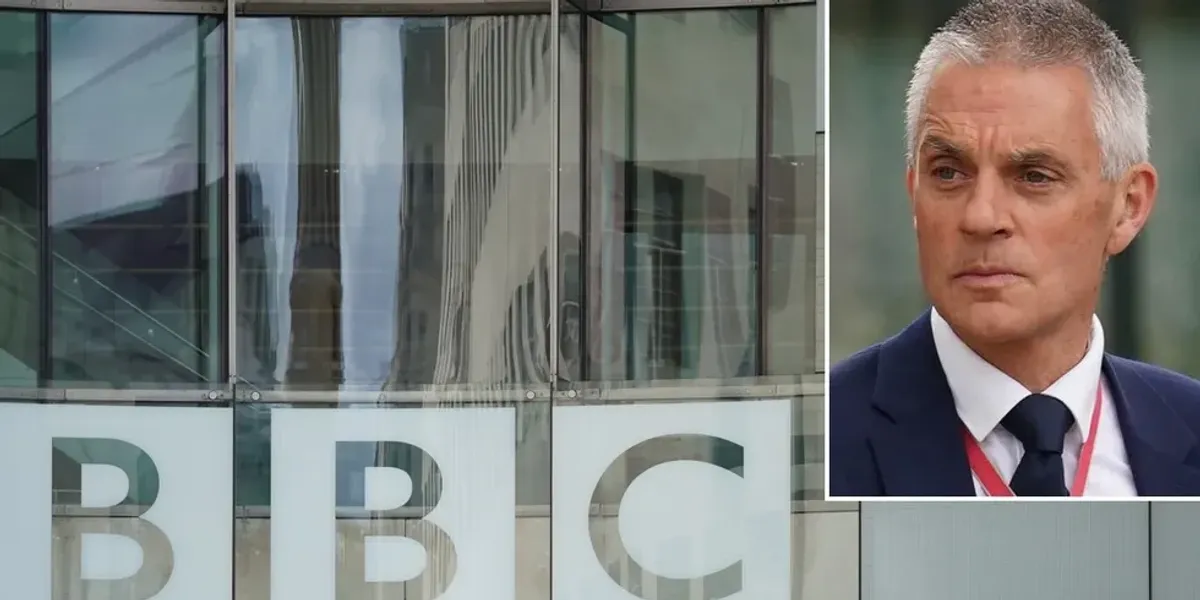
In 2022, BBC Director-General Tim Davie stated that the future of the licence fee needs urgent consideration as the landscape of media changes dramatically. The government has announced a review of public broadcasting funding, set to conclude in 2024, which may lead to significant changes directing how the BBC is financed.
Political Opinions and Public Reaction
Political opinions surrounding the licence fee vary significantly. The Conservative Party has shown strong support for reforming or potentially scrapping the licence fee, suggesting that it may be replaced with alternative funding methods such as subscription models or advertising. In contrast, the Labour Party advocates for the preservation of the licence fee, arguing that it ensures the BBC remains a public service broadcaster serving the entire nation rather than catering solely to commercial interests.
Public reactions have been mixed. Many believe the BBC’s unique programming and investigative journalism should be maintained, while others feel that charging for content in an era dominated by free online platforms like YouTube and Netflix is no longer justifiable.
Conclusion and Future Considerations
The debate over the BBC licence fee encapsulates wider conversations about public service broadcasting in a digital age. As the review process unfolds, it remains imperative for the BBC to demonstrate its value to the public while adapting to changing media consumption trends. The outcome of this review could reshape not only the BBC’s funding model but also its role and relevance in the future media landscape of the UK. Given the importance of the BBC as a provider of trustworthy information and entertainment, the implications of any changes to the licence fee will resonate across society.