Introduction
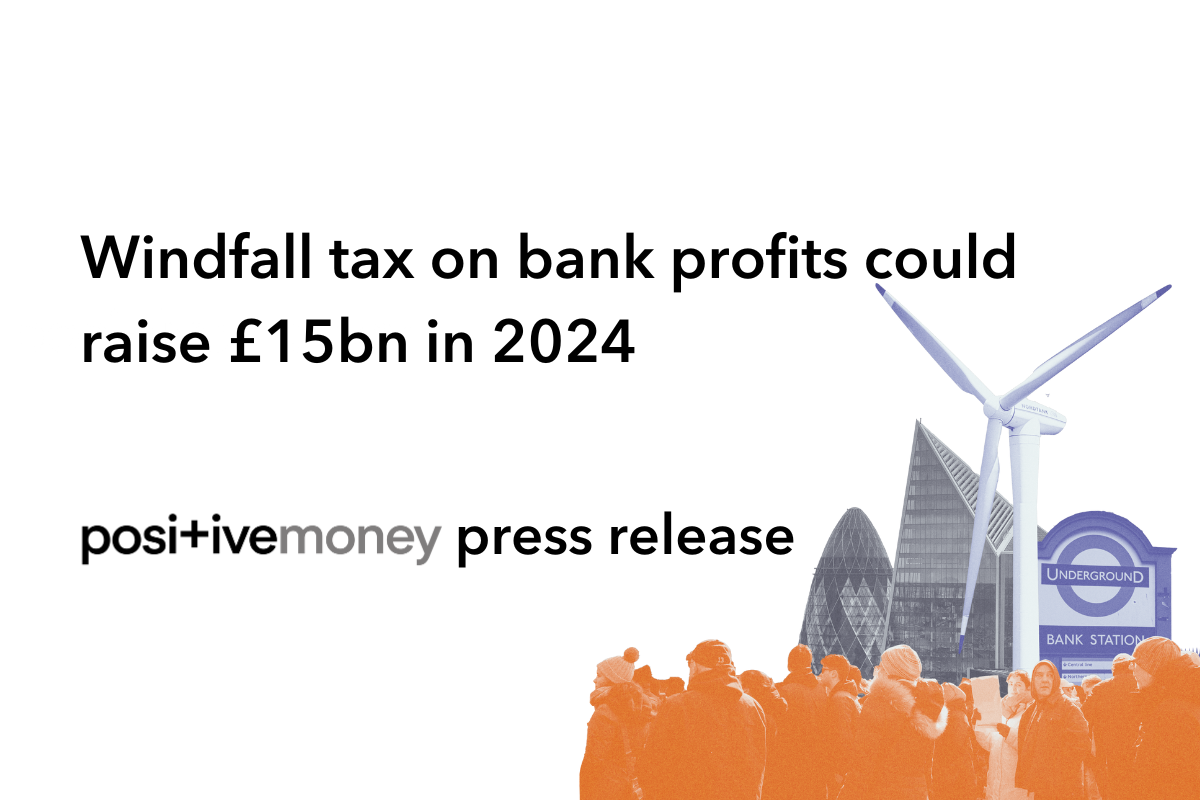
The bank windfall tax has emerged as a crucial topic in UK economic discussions, especially in light of rising inflation and the cost of living crisis. As banks report substantial profits, there are increasing calls from various sectors for the government to impose a tax on these unexpected earnings. This article delves into the nature of a bank windfall tax, its implications, and the ongoing debates surrounding its potential implementation.
What is a Bank Windfall Tax?
A bank windfall tax is a levied charge on the extraordinary profits made by banks, particularly those profits that significantly exceed their usual earning levels. This type of tax aims to redistribute wealth, especially during periods of economic hardship where public services may be underfunded. Critics argue that banks should contribute more to support the economy, especially when they attribute their profit hikes to factors like rising interest rates and increased fees.
Recent Developments
In the past year, several UK banks, including Lloyds and HSBC, have reported record profits, prompting renewed discussions about windfall taxes. For example, in Q2 of this year, Lloyds announced pre-tax profits of £2.5 billion, sparking calls from political figures, including Labour leader Sir Keir Starmer, for immediate regulatory reform to tax these windfalls. The government has been pressured to consider these proposals not only to address budget shortfalls but also to use the generated revenue for social programs that could alleviate the financial burdens on citizens.
Arguments For and Against
Proponents of the windfall tax argue that it could provide significant funding for vital public services, helping to mitigate the impacts of the cost of living crisis affecting thousands of UK families. Additionally, they claim that these taxes could help promote greater financial equity in society.
On the other hand, opponents contend that imposing such a tax could deter investment and lead to higher costs for consumers, as banks may pass on the financial burden to customers. Some financial analysts warn that the introduction of windfall taxes could provide a disincentive for banks to invest in innovation, potentially stagnating growth within the sector.
Conclusion
The debate surrounding the bank windfall tax is likely to intensify as economic pressures continue to affect everyday life. With many individuals seeking relief, the government faces a critical decision: implement measures to capture excess profits from banks or risk alienating a key industry player. Observers predict that whatever direction the government takes, it will certainly influence the future landscape of the UK banking sector and the broader economy. Much will depend on whether there’s a consensus on the need for equitable solutions that benefit both the public and the financial institutions.