The Importance of Tenerife Weather
Tenerife, the largest of Spain’s Canary Islands, is renowned for its enviable weather, attracting millions of tourists annually. The island’s climate significantly influences tourism, agriculture, and local life. Understanding current weather patterns is essential for visitors planning their vacations and for residents adapting to seasonal changes.
Current Weather Conditions in Tenerife
As of mid-October 2023, Tenerife is experiencing typical autumn weather. Coastal areas like Santa Cruz and Puerto de la Cruz are enjoying warm temperatures averaging 24°C (75°F), accompanied by periodic sunny days. Although rainfall is more frequent this time of year, it rarely reduces the warmth significantly, as showers are usually brief and followed by sunshine.
Seasonal Changes Throughout the Year
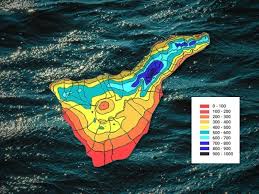
Tenerife’s climate is classified as subtropical, meaning it enjoys mild and stable temperatures all year round. Winter months (December to February) offer cooler weather, with average temperatures ranging from 15°C to 20°C (59°F to 68°F), while summer months (June to August) see highs reaching up to 30°C (86°F) in many areas. The island’s dual climate zones—coastal and mountainous—result in varied weather patterns within relatively short distances. The southern beaches often boast sunny skies, while areas like Mount Teide experience cooler, more unpredictable weather.
Climate Impact on Tourism and Agriculture
The predictably pleasant weather is a significant factor in Tenerife’s thriving tourism industry. With tourists flocking year-round for sunbathing, hiking, and outdoor activities, local businesses benefit substantially from the extended tourist season. Agriculture, particularly the cultivation of bananas and tomatoes, also relies on the island’s climate. Farmers adjust their planting and harvesting schedules based on seasonal weather changes to optimise crop yields.
Conclusion: Future Expectations of Tenerife Weather
Looking ahead, climate experts anticipate that Tenerife will continue to experience its characteristic warm weather patterns. However, climate change may introduce new variations in weather intensity and frequency, necessitating ongoing monitoring. For both tourists and residents, staying informed about weather updates is crucial for planning purposes. A reliable weather forecast allows visitors to maximise their island experience while helping locals prepare for changes in their daily lives.