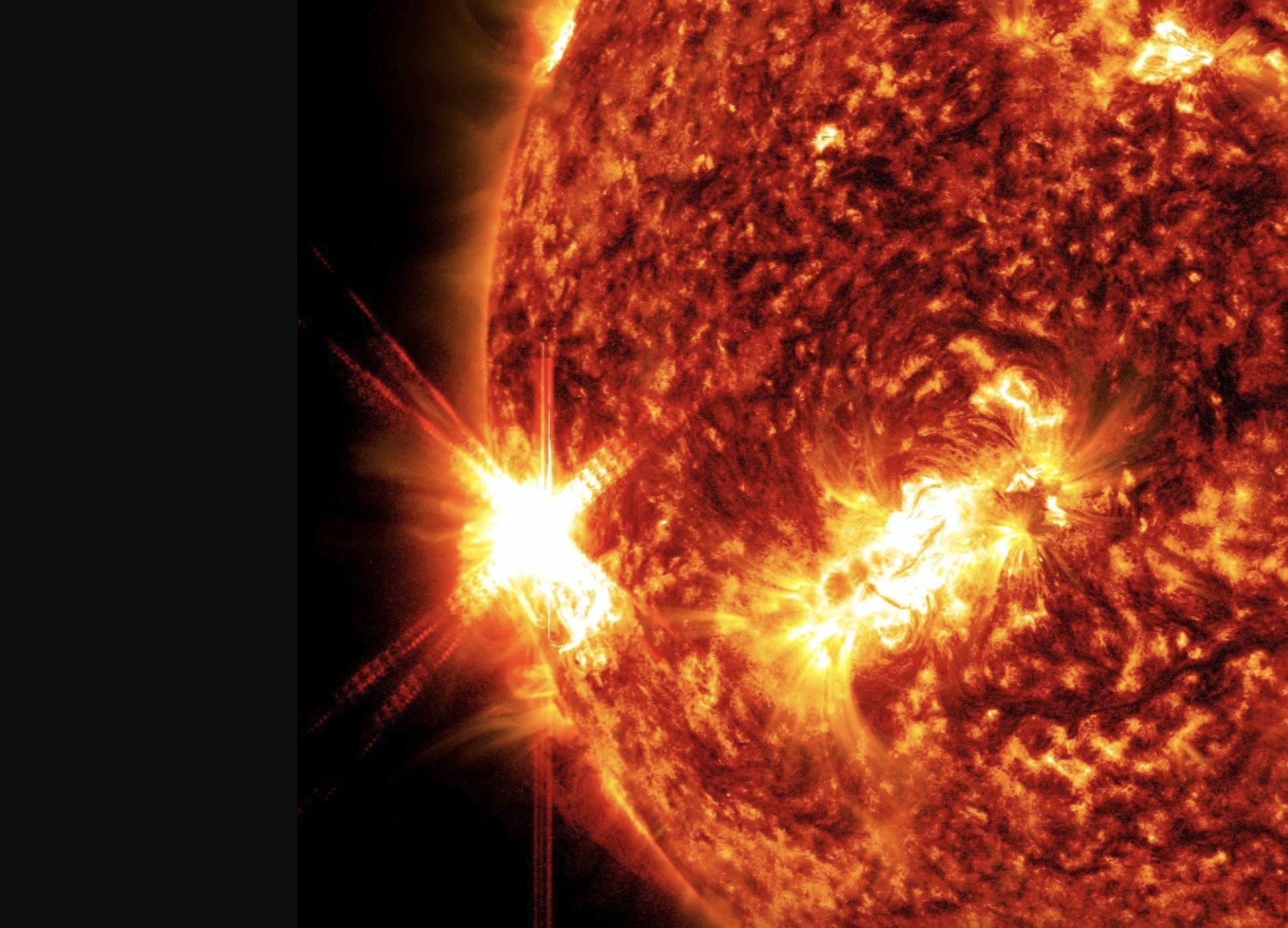
Introduction to Solar Flares
Solar flares are intense bursts of radiation coming from the release of magnetic energy associated with sunspots. These phenomena are crucial to our understanding of the sun’s activity and its impacts on Earth, as they can disrupt communications, navigation systems, and even power grids. As we move deeper into the solar cycle, which peaks every eleven years, monitoring solar flares has never been more pertinent.
Recent Solar Activity
Recently, the sun has shown a marked increase in activity as it approaches what scientists expect to be a solar maximum in 2025. In the past few months, numerous solar flares have been recorded, including some that were classified as X-class flares – the most powerful category. These flares have resulted in radio blackouts over the Pacific region and have heightened the visibility of auroras at lower latitudes.
Scientific Observations
NASA’s Solar Dynamics Observatory (SDO) has been instrumental in tracking these activities. In a recent report, astronomers highlighted multiple instances of coronal mass ejections (CMEs) associated with these solar flares. When directed towards Earth, these CMEs can lead to geomagnetic storms which may cause voltage fluctuations in power systems and disturbances in satellite operations. The space weather forecast is essential for industries that rely heavily on satellite technology.
Impact on Earth and Technology
The implications of solar flares extend beyond mere disruptions. In 1989, a powerful solar storm knocked out power for millions in Quebec, Canada, serving as a stark reminder of the potential risks posed by the sun’s activity. Moreover, GPS technology and high-frequency radio transmissions can be affected, impacting aviation and maritime operations. As solar flares become more frequent, preparation and risk management for these events are paramount.
Conclusion: The Future of Solar Research
As scientists predict increased solar activity in the coming years, further research into solar flares will be crucial. The implications for technology and society cannot be underestimated, and continued vigilance from space weather services will help mitigate risks. Understanding solar flares not only enhances our knowledge of the sun but also prepares us for any potential disruptions they may cause. As we refine our predictive models and improve our response strategies, the relationship between solar phenomena and life on Earth remains an area of significant interest.



