Introduction
Sudden Stratospheric Warming (SSW) is a critical meteorological phenomenon that has profound impacts on weather patterns, particularly in the Northern Hemisphere. Understanding SSW is essential, as it can lead to extreme cold weather events in Europe and North America, disrupting daily life and impacting energy consumption. Recent scientific research highlights an increase in the frequency of SSW events, raising important questions regarding climate change and winter weather forecasting.
What is Sudden Stratospheric Warming?
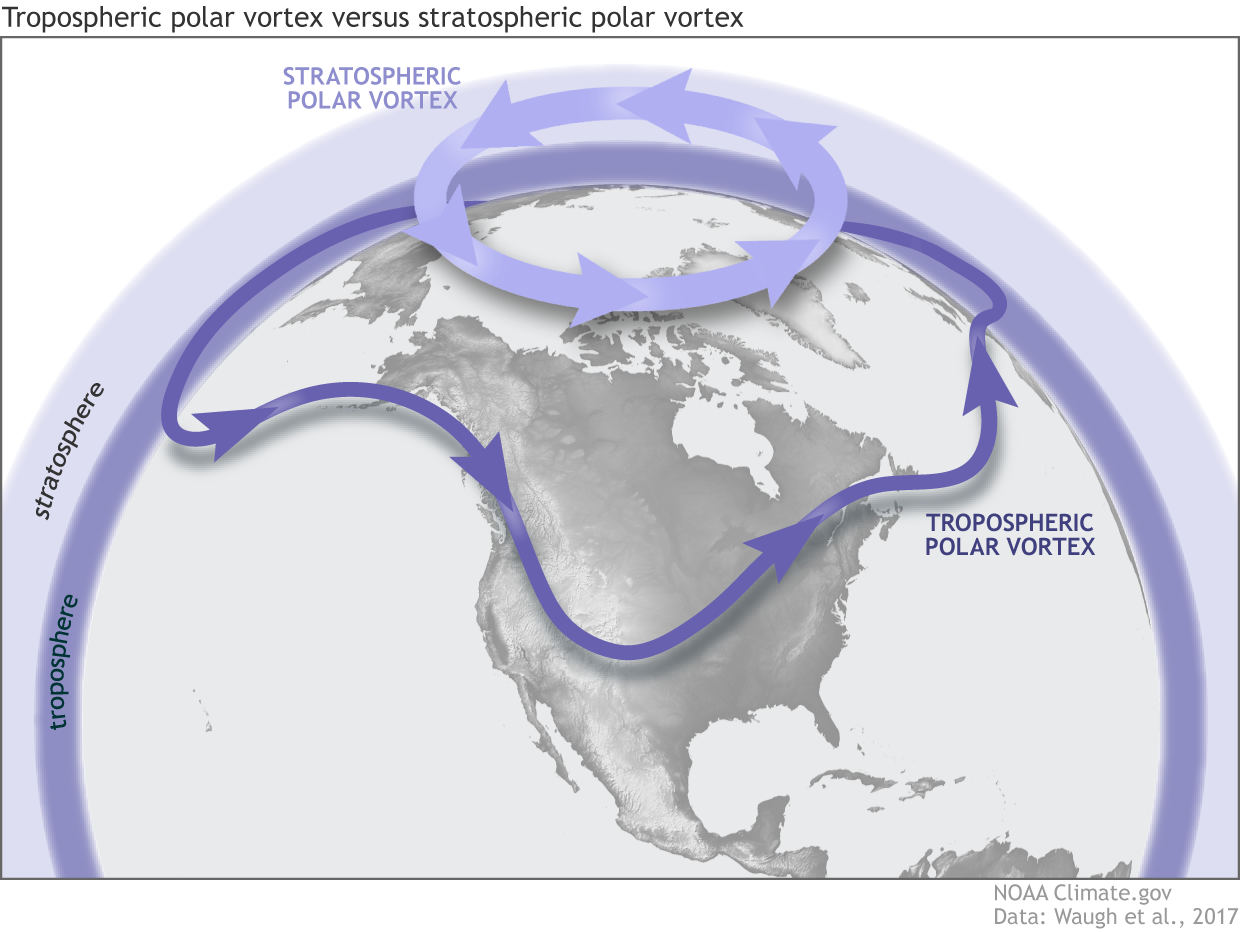
SSW occurs when the polar vortex, a large area of low pressure and cold air surrounding the Earth’s poles, experiences a sudden change in temperature. Typically, this phenomenon results in a significant warming of the stratosphere, particularly above the Arctic Circle. During an SSW event, the temperatures in the stratosphere can rise by as much as 50 degrees Celsius (about 90 degrees Fahrenheit) within a matter of days, leading to a weak polar vortex.
Recent Events
In early 2023, researchers observed a notable SSW occurrence that influenced weather patterns across Europe and North America. NOAA (National Oceanic and Atmospheric Administration) reported that following the SSW, temperatures plummeted in many regions, leading to severe cold snaps. Multiple countries experienced abnormally low temperatures, record snowfall, and disrupted transport systems. Meteorologists tracked these events closely, aiming to improve forecasting models and mitigate the impacts of severe weather on communities.
Implications of SSW
The implications of SSW are significant for both climatology and everyday life. These warming events can shift the jet stream, leading to changes in rainfall patterns and prolonged cold spells. For instance, the economic impact of severe winter weather can be substantial, affecting industries from agriculture to energy. Understanding SSW can also aid in disaster preparedness, helping communities to better brace for extreme weather events.
Conclusion
In conclusion, Sudden Stratospheric Warming is a critical area of study that reveals intricate links between stratospheric changes and surface weather patterns. As climate change continues to influence the global climate, ongoing research will be vital in understanding the occurrence and impacts of SSW. Continued monitoring and analysis will enhance our preparedness for winter weather extremes, ultimately safeguarding lives and property.



