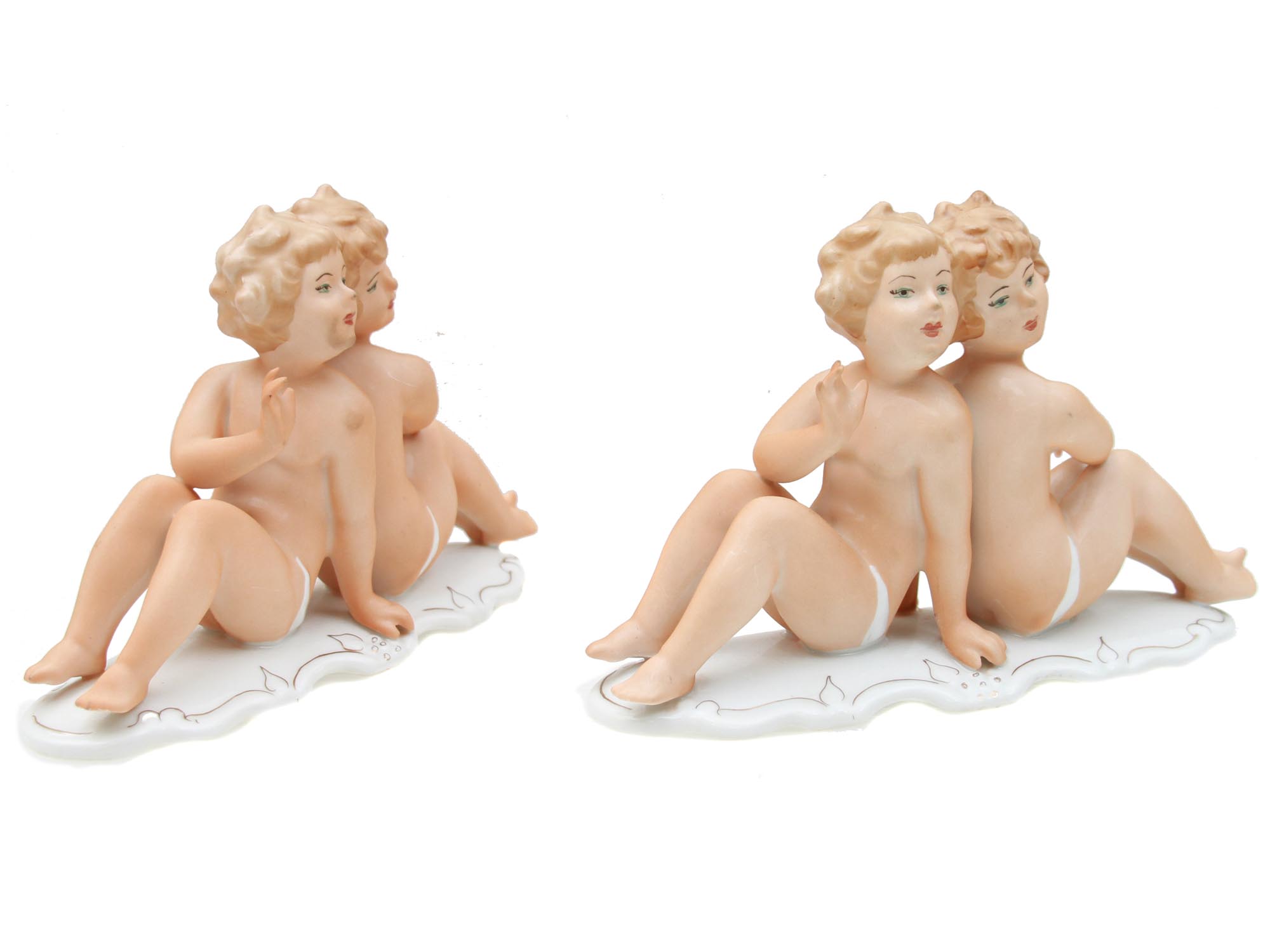
Introduction: The Importance of Romanian Angels
Romanian angels hold a unique place in the rich tapestry of Romanian culture, religion, and folklore. These celestial beings are often depicted in art and literature, embodying the spiritual beliefs and cultural values of the Romanian people. In a world that’s increasingly turning to technology, the significance of these angelic figures serves as a reminder of the enduring appeal of spirituality and tradition. This article explores the history, representation, and relevance of Romanian angels in contemporary society.
The Historical Context
The concept of angels is deeply rooted in Romanian Orthodox Christianity, where they are regarded as messengers of God. Romanian angels are often portrayed in religious iconography, adorning the walls of churches and monasteries throughout the country. The 17th and 18th centuries witnessed a flourish of artistic expression, as icon painters depicted angels in various forms, often blending traditional Romanian folk motifs with divine symbolism. Notable examples can be seen in churches such as the Painted Monasteries of Bukovina, where angelic figures grace the frescoes with vibrant colours and intricate details.
Angels in Romanian Folklore
Beyond religious contexts, Romanian folklore is rich with stories featuring angels. These narratives reflect the cultural values and moral lessons inherent in Romanian society. Customs on special occasions, such as weddings and funerals, often invoke the presence of angels, believed to provide protection and guidance for the living. Such traditions contribute to a collective understanding of angels as caretakers, fostering hope and community support amongst the people.
Modern Representations and Cultural Significance
In recent years, the representation of Romanian angels has evolved, particularly through literature and the arts. Contemporary Romanian authors and artists are increasingly drawing inspiration from angelic themes, reshaping the perception of these figures within modern contexts. Notably, festivals celebrating local folklore incorporate angelic symbols, reinforcing their role in cultural identity. Additionally, social media platforms have become popular avenues for sharing angel-themed artwork, connecting the younger generation to their heritage in innovative ways.
Conclusion: The Enduring Relevance of Romanian Angels
The significance of Romanian angels transcends time, reflecting the nation’s spiritual heritage and cultural identity. Their portrayal in art, folklore, and contemporary media illustrates the persistent relevance of these celestial figures in Romanian society. As Romania continues to navigate the complexities of modernity, the enduring presence of angels serves as a source of comfort, inspiration, and connection to the past. Understanding and preserving the cultural importance of these angelic beings not only enriches the Romanian landscape but also contributes to the global appreciation of diverse spiritual narratives.



