Introduction
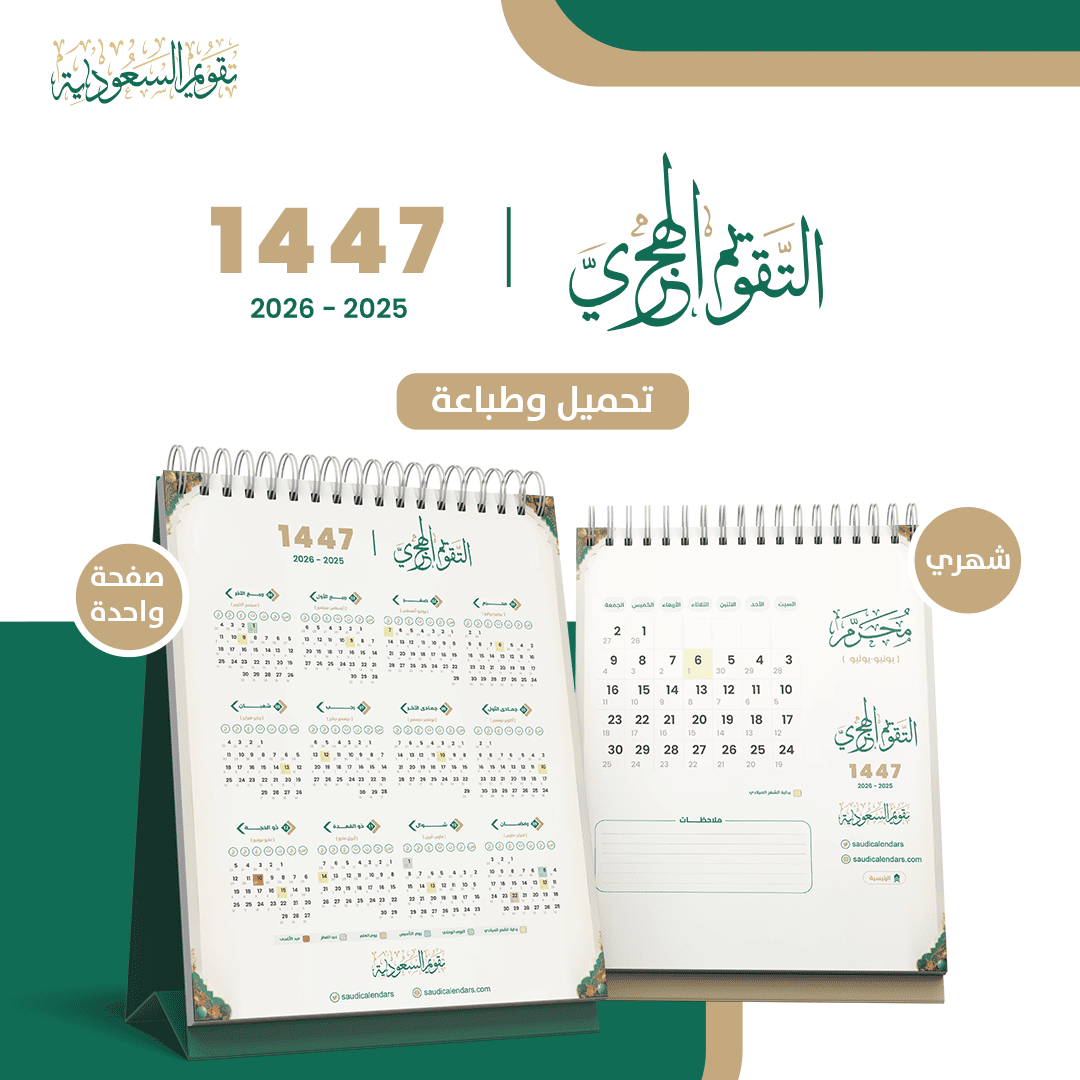
Ramadan is a holy month celebrated by millions of Muslims worldwide, marked by fasting, prayer, and reflection. In 2026, Ramadan is expected to start on the evening of February 17 and continue until the evening of March 18, subject to moon sighting, which is crucial in determining the exact start and end dates. The significance of Ramadan extends beyond mere fasting; it is a time for spiritual growth, community engagement, and increased devotion.
The Observance of Ramadan
During Ramadan, adult Muslims fast from dawn until sunset, abstaining from food, drink, and other physical needs. The fast, known as ‘sawm’, has deep spiritual significance, promoting self-discipline, empathy for the less fortunate, and a reconnection with one’s faith. Besides fasting, Muslims engage in additional prayers, specifically the Taraweeh prayers, which are held at night to recite the Quran.
Cultural Practices and Community Involvement
In 2026, as Ramadan coincides with the spring months in many countries, communities may observe various cultural traditions. Iftar, the meal to break the fast, often brings families and neighbours together, promoting community spirit. Many organisations also undertake charitable activities during Ramadan, providing food and assistance to those in need, exemplifying the value of generosity that is central to the month.
Conclusion and Significance
As we look towards Ramadan 2026, it is an opportunity for millions to reflect on their spiritual journey and recommit to their beliefs. The month serves as a reminder of the importance of self-discipline and service to others. Understanding the practices and significance of Ramadan not only enriches the experiences of those observing it but also promotes interfaith dialogue and understanding in diverse societies. Ultimately, Ramadan 2026 promises to be a time of reflection, hope, and unity, essential components for cultivating a harmonious global community.