Introduction
Product recalls have become a significant issue in today’s consumer-driven market. As manufacturers strive to ensure safety and quality, occasional lapses lead to recalls that can affect millions of consumers. Understanding the implications of a product recall is essential for consumers as well as businesses to ensure safety, accountability, and trust in the marketplace.
Recent Events in Product Recalls
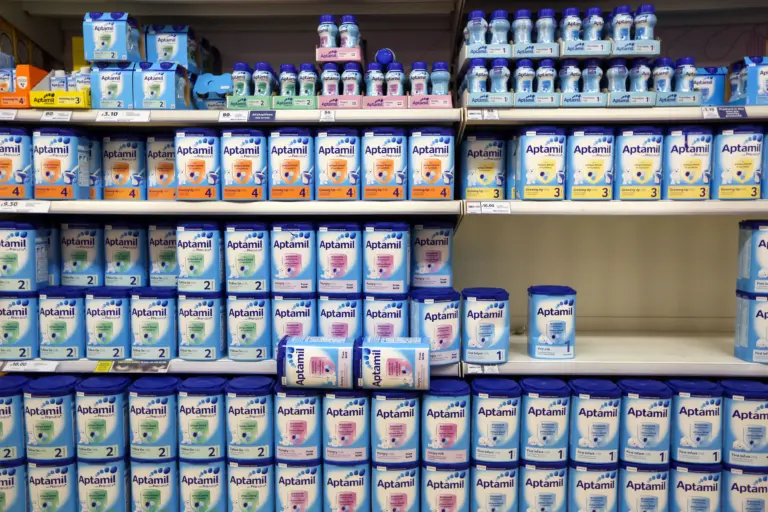
In recent weeks, several notable product recalls have made headlines, reflecting ongoing concerns about consumer safety. One of the most prominent was the recall of a popular brand of baby food due to potential contamination with harmful bacteria, which was initiated voluntarily by the manufacturer after reports of illness among children. The Food Standards Agency (FSA) quickly issued a public alert, highlighting the importance of swift action to ensure consumer safety.
Moreover, the automotive industry has faced significant challenges this year, with major car manufacturers recalling vehicles due to defective airbags. This latest batch of recalls involved over half a million vehicles across Europe, prompting companies to take preventive measures to avoid potential malfunctions that could result in accidents.
The Process of a Product Recall
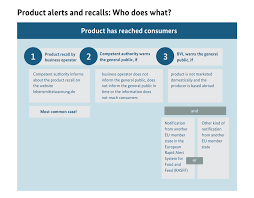
The product recall process typically begins when a company identifies a potential safety defect or receives reports of injuries related to the product. The manufacturer must then notify the relevant regulatory bodies, such as the FSA in the UK, and provide details regarding the nature of the defect. Following this, the company must inform consumers through various channels and outline steps for returning or disposing of the affected product.
Furthermore, recalls are often classified into categories indicating the seriousness of the threat, ranging from Class I (serious risk) to Class III (minimal risk), which informs consumers on the level of urgency and necessary action.
Significance for Consumers and Businesses
For consumers, understanding product recalls is crucial for maintaining safety and making informed choices. Staying updated on recalls through official channels, such as government alerts and news outlets, can prevent potential health risks. Additionally, individuals are encouraged to report any adverse effects caused by products to help manufacturers and regulators track patterns and develop solutions.
For businesses, effective management of product recalls is vital to protect reputation, consumer trust, and overall accountability. Companies are increasingly investing in monitoring systems and implementing rigorous quality assurance practices to mitigate risks before a problem arises.
Conclusion
In conclusion, product recalls highlight the ongoing challenge of ensuring consumer safety in an interconnected market. Both consumers and businesses must remain vigilant about product information and actively engage with recalls to safeguard health and well-being. As industries adapt and improve their practices, the hope is that fewer recalls will be necessary, allowing manufacturers to build solid reputations based on trust and reliability.