Introduction
The New York Times (NYT) Connections puzzle has captured the attention of avid puzzle enthusiasts since its inception. This engaging game not only tests players’ vocabulary but also challenges their critical thinking and pattern recognition skills. As the popularity of this daily puzzle continues to rise, understanding the clues and strategies for successful completion has become increasingly essential for both beginners and seasoned solvers alike.
What is NYT Connections?
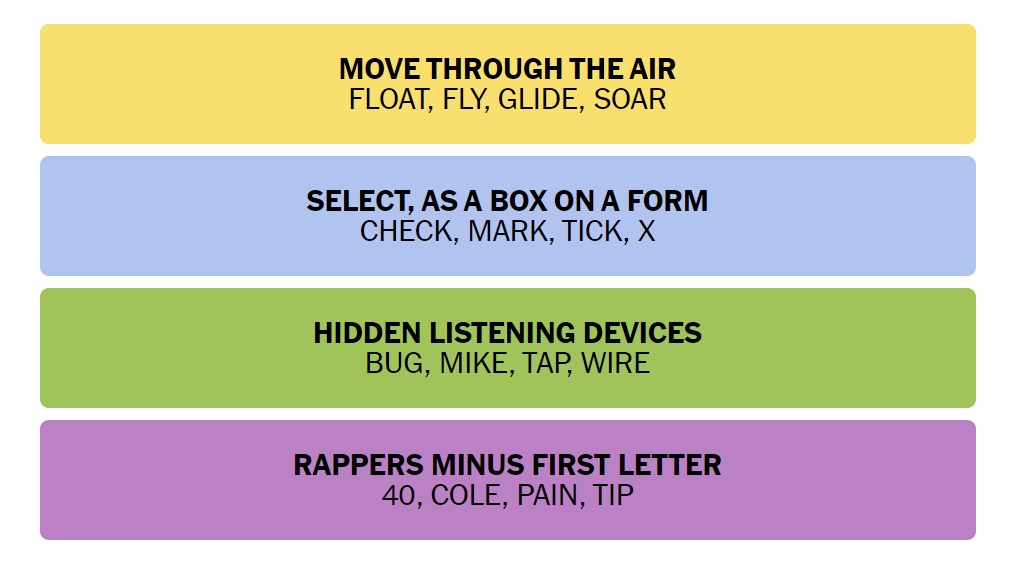
NYT Connections is a daily online puzzle that invites players to group a set of 16 words into four categories of four words each. The challenge lies in discerning the connections between these words, which may share common themes, semantic meanings, or nuanced relationships. Each day’s puzzle offers new words and connections, ensuring that players experience fresh challenges regularly.
Importance of Understanding Clues
Grasping the clues presented in NYT Connections is pivotal to excelling at the game. The ability to identify synonyms, antonyms, or thematic links among the words is crucial. Moreover, some clues may even include puns or cultural references that require broader knowledge, adding layers of complexity to the puzzle. As players become familiar with these types of clues, they can adapt their approach to the puzzle, improving both speed and accuracy.
Common Clue Categories
While every puzzle is different, certain categories of connections consistently emerge. Homonyms, for example, often appear in NYT Connections puzzles; knowing that “bark” could refer to a tree covering or the sound a dog makes can help in coloring connections. Similarly, geographic connections are common—identifying words that relate to a specific location, such as “Paris,” “Eiffel,” “France,” and “Tour.” Understanding these prevalent themes can significantly enhance a player’s performance.
Strategies for Success
Engaging effectively with NYT Connections requires developing solid strategies. Here are some helpful tips:
- Start with familiar words: Identify any words you instantly recognise to help narrow down categories.
- Eliminate odd ones: If a particular word seems out of place, it may lead you to other words that fit well together.
- Think outside the box: Be open to diverse interpretations of words; they may not connect in the most obvious way.
Conclusion
Solving NYT Connections clues can be a fulfilling experience that not only sharpens cognitive skills but also enhances one’s command of the English language. As players hone their ability to detect connections and patterns, they not only advance in the puzzle but also find enjoyment and satisfaction in the art of problem-solving. With regular practice, anyone can improve their puzzle-solving abilities and enjoy the daily challenge presented by NYT Connections.