Introduction to Nordic Combined
Nordic combined is a unique and challenging winter sport that merges cross-country skiing and ski jumping. Originating from the snowy mountains of Scandinavia, this sport has grown in popularity and significance, particularly in countries like Norway, Germany, and Austria. As global interest in winter sports continues to increase, understanding the intricacies of Nordic combined becomes essential for enthusiasts and athletes alike.
Recent Developments in Nordic Combined
The 2022 Winter Olympics in Beijing brought renewed attention to Nordic combined, as competitors from around the world showcased their skills. The event featured both men’s and women’s competitions, with the latter being a landmark moment in the sport’s history, as it was the first time women competed at the Olympic level in Nordic combined.
In recent news, the International Ski Federation (FIS) has announced new initiatives to promote gender equality within the sport, aiming to increase participation among female athletes and expand the competition format. These steps are fundamental in fostering a more inclusive environment and encouraging the next generation of Nordic combined athletes.
Technical Aspects and Training
Nordic combined athletes must excel in both ski jumping and cross-country skiing, requiring rigorous training that includes strength and endurance exercises. Athletes typically train in multiple disciplines year-round, focusing on techniques that enhance their performance during competitions.
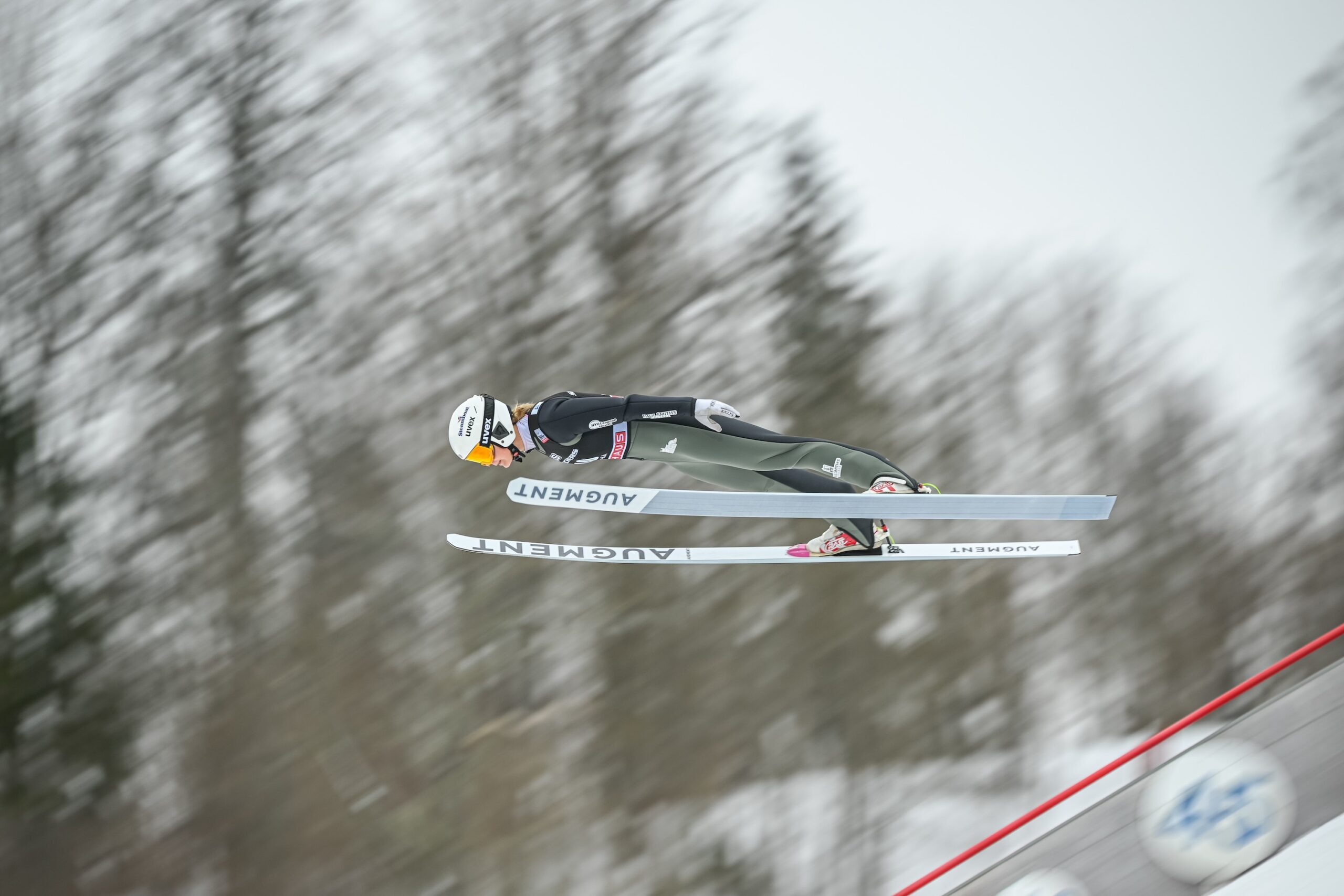
In ski jumping, athletes must master the art of balance and technique to achieve the longest jump possible, while cross-country skiing tests their speed and stamina on varied terrain. This duality sets Nordic combined apart from other winter sports and demands a high level of athleticism and versatility.
The Future of Nordic Combined
The future of Nordic combined looks promising, with increased visibility through social media and sponsorship opportunities paving the way for a wider audience. With more international competitions and advancements in training methods, athletes are pushing the boundaries of performance.
As more people become intrigued by this dynamic sport, participation is likely to rise, potentially leading to increased funding and support for emerging talent. Maintaining a focus on gender equality and diversity within the sport will be crucial as Nordic combined continues to evolve in the coming years.
Conclusion
In conclusion, Nordic combined is more than just a winter sport; it’s a celebration of athletic achievement and resilience. With recent developments opening doors for female athletes and ongoing efforts to promote inclusivity, the future of Nordic combined is bright. As the sport gains traction, both fans and athletes alike can look forward to an exciting era bursting with potential.