The Importance of Moon Time
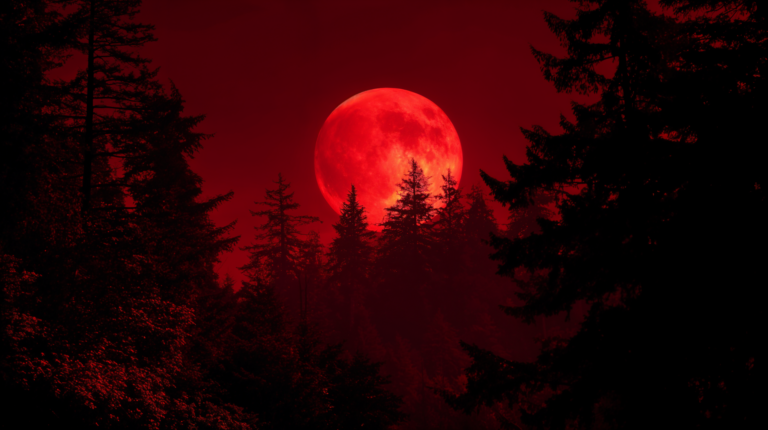
Moon time refers to the various phases of the lunar cycle that have significant implications for various cultural, agricultural, and astronomical activities. Understanding these phases can help sky watchers track lunar visibility, as well as aid gardeners and farmers in planning their activities based on lunar influences.
Current Moon Phase as of Today
As of today, [insert date], the moon is in its [state the current phase, e.g. “Waxing Gibbous”]. This phase means the moon is nearing full brightness, which will occur on [insert next full moon date]. The waxing gibbous phase typically represents growth and is often associated with manifestations and abundance in various cultures.
Significance of the Moon’s Cycle
Each lunar phase has unique characteristics and cultural significances. The cycle of the moon lasts approximately 29.5 days, and it consists of eight distinct phases: New Moon, Waxing Crescent, First Quarter, Waxing Gibbous, Full Moon, Waning Gibbous, Last Quarter, and Waning Crescent. Today’s moon phase is part of the waxing cycle when visibility increases, making it an excellent time for lunar observation.
Lunar Events and Activities
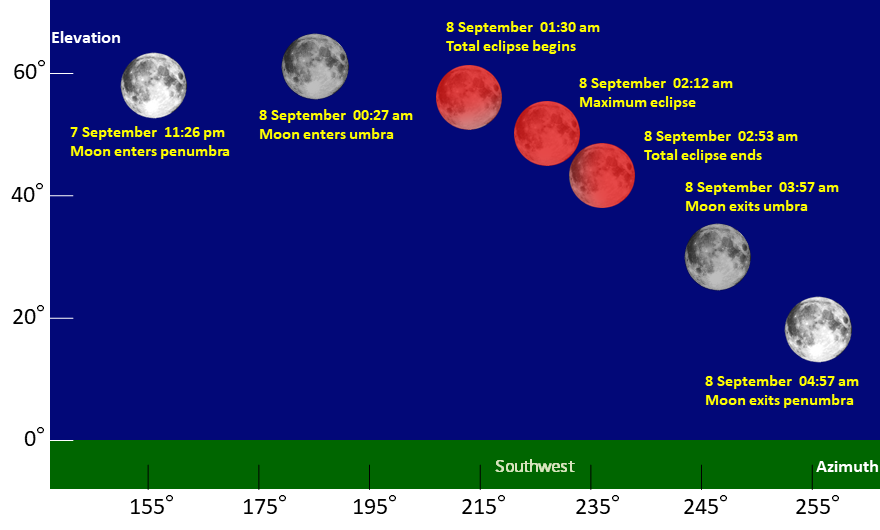
Sky watching enthusiasts often look to the moon for various astronomical events such as eclipses and meteor showers. For instance, next month, enthusiasts can expect a partial lunar eclipse on [insert specific date]. Events like these are great opportunities for stargazers and amateur astronomers to engage with the wonders of our solar system.
Conclusion
As the moon continues through its current phase, it serves as a reminder of the celestial rhythms that influence life on Earth. Whether for agricultural planning, cultural celebrations, or simply enjoying the view, knowing today’s moon time helps individuals connect more deeply with the cosmic playground above. For moon lovers and enthusiasts, being aware of the lunar cycles unveils a vibrant tapestry of nature’s timing.