Introduction to Moldova
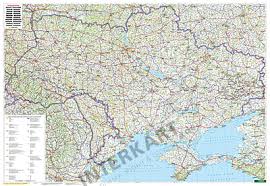
Moldova, a small Eastern European country bordered by Romania and Ukraine, has seen significant shifts in its political and economic landscape in recent years. As the nation strives to strengthen its sovereignty and stabilize its economy, understanding the current events and underlying issues becomes crucial for observers and stakeholders alike.
Current Political Climate
Following the 2021 parliamentary elections, Moldova has been navigating a complex political environment. The pro-European party, Action and Solidarity (PAS), led by President Maia Sandu, is focused on implementing reforms aimed at integrating the country more closely with the European Union. However, while there has been progress in securing EU support, challenges such as corruption and political dissent remain prevalent.
Moldova’s relationship with Russia has also become increasingly tense, accentuated by geopolitical tensions in the region, particularly due to the ongoing situation in Ukraine. Moldova’s government has sought to distance itself from Russian influence, which has led to mixed reactions domestically, especially from the pro-Russian segments of its population.
Economic Developments
On the economic front, Moldova has made strides towards reforming its economy, with a focus on agriculture and information technology as key sectors for growth. The reliance on remittances from Moldovans working abroad continues to play a critical role in stabilising the economy, contributing significantly to the national GDP.
In recent months, Moldova has secured financial assistance from international partners, including the International Monetary Fund (IMF), which aims to bolster its economy amidst rising energy prices and inflation exacerbated by global supply chain issues. These funds are essential for implementing necessary economic reforms, boosting energy resilience, and improving infrastructure.
Conclusion
Moldova stands at a pivotal moment, balancing the aspirations for EU integration against the realities of internal challenges and external pressures. The importance of political stability and economic reform cannot be overstated as the nation seeks to foster a more prosperous future. Stakeholders and observers of Eastern Europe must pay close attention to Moldova’s evolving landscape, as its trajectory may significantly impact regional stability and economic partnerships in the years to come.