Introduction
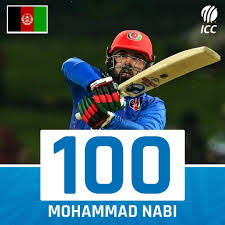
Mohammad Nabi, a name synonymous with resilience and talent in cricket, has become a defining figure in the sport, especially for Afghanistan. As one of the first Afghan cricketers to gain international recognition, his journey is not just a testament to personal effort but also to the evolution of cricket in Afghanistan. This article explores Nabi’s contributions both on and off the field, highlighting his significance in the world of cricket.
Early Years and Rise to Fame
Born on January 1, 1985, in Nangarhar, Afghanistan, Mohammad Nabi’s introduction to cricket happened during his youth, where he displayed remarkable skill. His potential quickly became evident, and he made his international debut in 2009. Nabi gained prominence when he played a crucial role in Afghanistan’s qualification for the 2015 ICC Cricket World Cup, showcasing his all-round capabilities with both bat and ball.
Key Achievements
Nabi’s cricketing career is marked by several significant achievements. He has been instrumental in leading Afghanistan to its first-ever Test match in 2018 against India. He is seen not only as a talented all-rounder but also as a three-dimensional player who can influence the outcome of a game. His notable performances include participating in various T20 leagues globally, including the Indian Premier League (IPL), where he has represented teams like Sunrisers Hyderabad.
In 2019, during the ICC Cricket World Cup, he was celebrated for his stellar bowling against Sri Lanka, taking invaluable wickets that underscored his importance to the team. Nabi’s statistics speak volumes of his capabilities, consistently being among the top wicket-takers and run-scorers in international formats.
Off the Field Contributions
Beyond his playing career, Mohammad Nabi is a source of inspiration for many young cricketers in Afghanistan. He actively promotes the sport among the youth, encouraging them to pursue their dreams despite adversity. His role in various charitable initiatives, especially in supporting sports infrastructure in Afghanistan, demonstrates his commitment to giving back to the community.
Conclusion
Mohammad Nabi remains a symbol of hope and determination for many aspiring cricketers in Afghanistan. His journey reflects not only personal ambition but also the spirit of a nation in pursuit of identity through sports. As Afghanistan continues to develop its cricketing potential, Nabi’s legacy will undoubtedly lay the groundwork for future generations. With upcoming international tournaments, cricket enthusiasts worldwide will keenly watch Nabi and the Afghan national team, anticipating how they will further push the boundaries of cricket.