Introduction
Weather warnings issued by the Met Office play a crucial role in alerting the public to potentially hazardous weather conditions. These warnings, which can range from heavy rain and snow to high winds and extreme heat, are vital for public safety, allowing individuals and communities to prepare and respond effectively. As climate change contributes to more frequent and severe weather events, understanding these warnings has become increasingly important for everyone.
Types of Weather Warnings
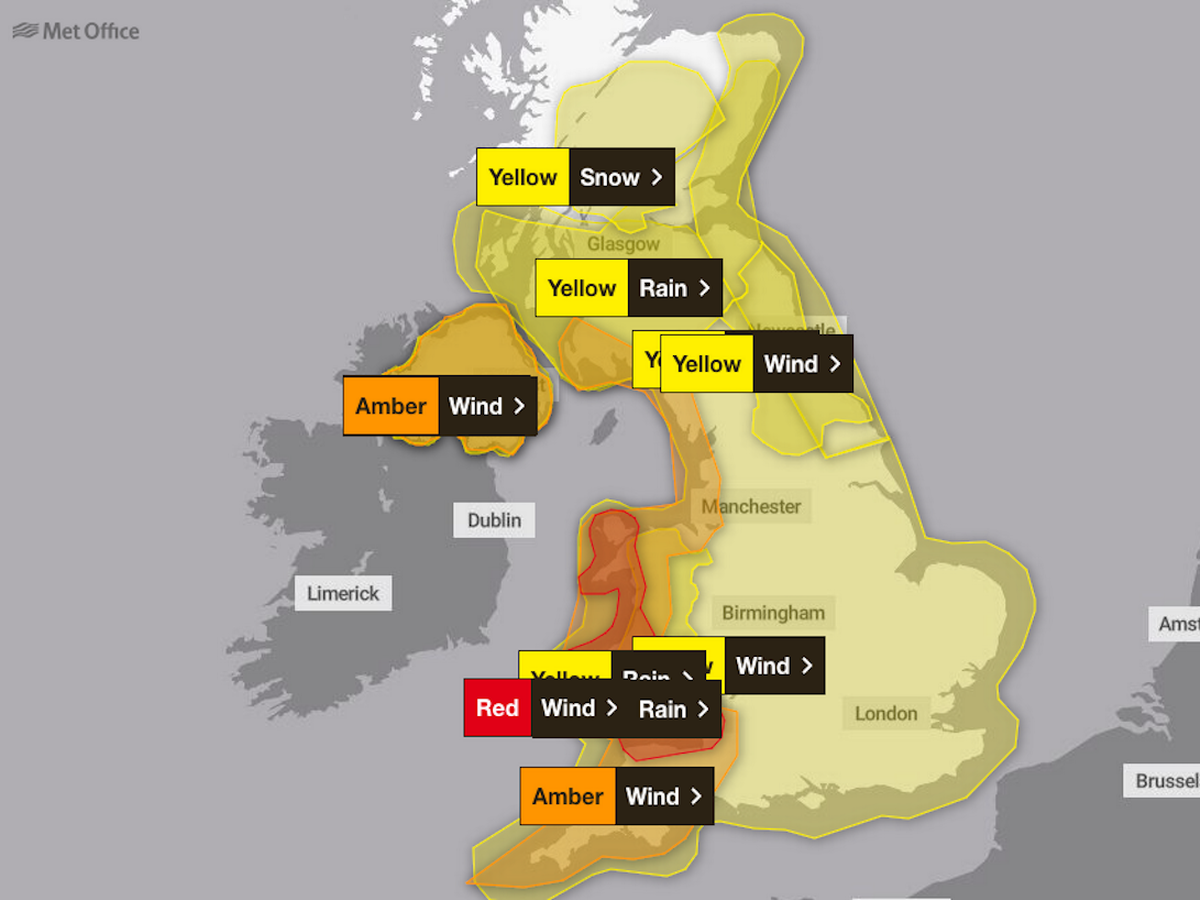
The Met Office categorises weather warnings into three main levels: Yellow, Amber, and Red, each indicating the severity and potential impacts of the weather.
- Yellow Warnings: These indicate that the weather could lead to some disruption and may affect travel plans or outdoor activities. It serves as a heads-up for the public to stay informed.
- Amber Warnings: Issued when the weather is likely to cause significant disruption or poses a risk to life. This warning level necessitates closer attention and preparation.
- Red Warnings: The highest level of alert, indicating that severe weather is expected to cause widespread impacts and poses a significant risk to life. Immediate action is required during a Red warning.
Recent Events
In recent weeks, the Met Office has issued multiple weather warnings across the UK, primarily due to changing patterns associated with autumn storms. These warnings addressed heavy rainfall leading to potential floods and severe winds that could disrupt public transport and pose hazards to safety. For example, the beginning of October saw an Amber warning for heavy rainfall in parts of Scotland, coinciding with strong winds affecting coastal regions.
The Significance of Weather Warnings
Receiving timely and accurate weather warnings from the Met Office empowers individuals, businesses, and local authorities to take preventative actions. Public services often prepare for adverse weather by implementing road closure plans, adjusting public transport schedules, and issuing safety advice to those in high-risk areas. However, the responsibility also lies with individuals to heed these warnings, prepare their homes, and consider their travelling plans accordingly.
Conclusion
In conclusion, Met Office weather warnings are essential tools for ensuring public safety during extreme weather conditions. Given the increasing frequency of severe weather events, the public must remain vigilant and informed. By understanding the different types of warnings and responding appropriately, we can mitigate the impacts of harsh weather on our lives and communities. Looking forward, with ongoing advancements in meteorological technology, we can expect even more precise and timely warnings in the future, further enhancing public safety and preparedness.



