Introduction
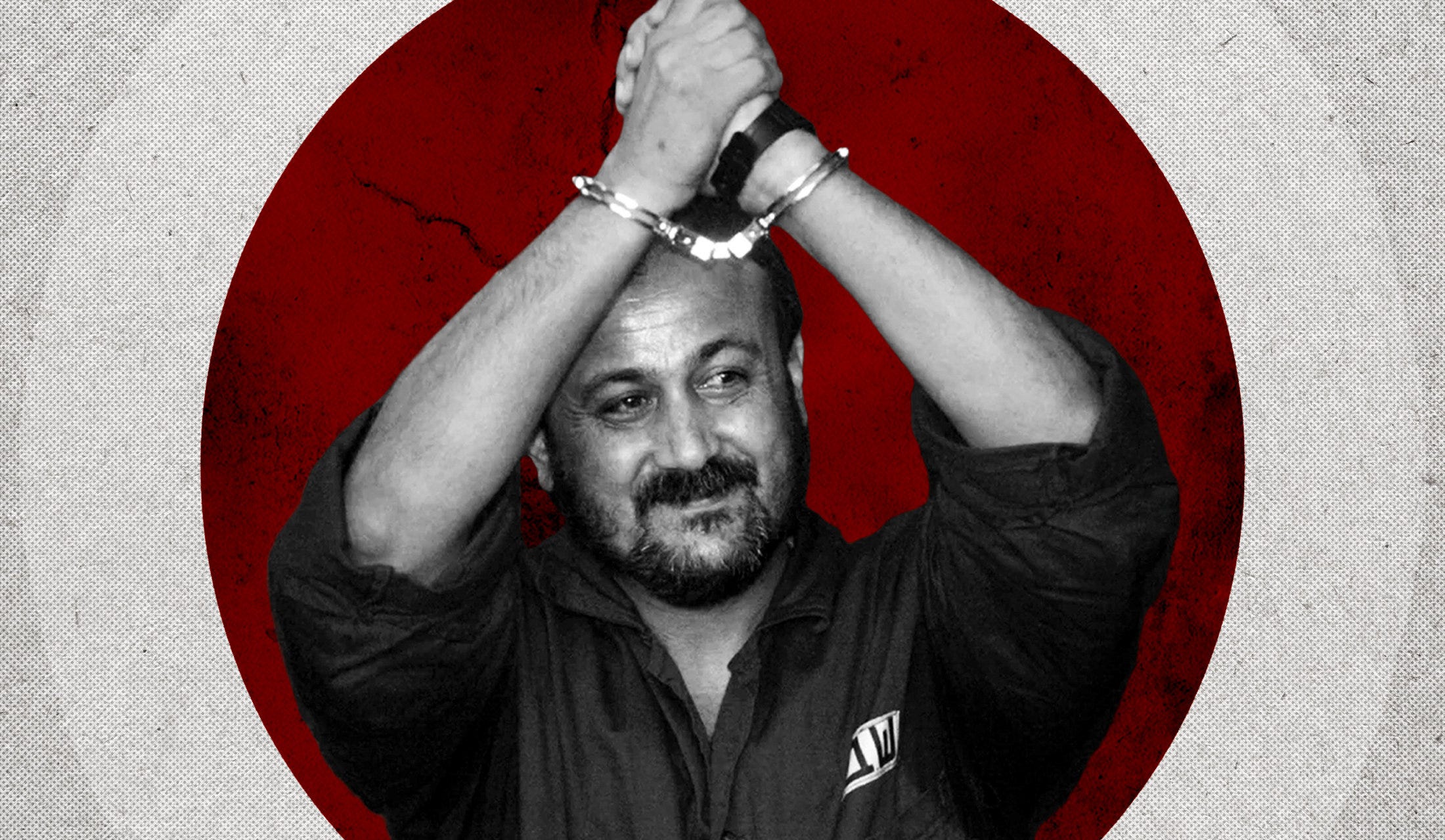
Marwan Barghouti, widely regarded as one of the most significant political figures within the Palestinian territories, has been called the “Palestinian Mandela” for his enduring fight against Israeli occupation. Currently imprisoned in Israel, his ongoing influence and popularity among Palestinians are paramount, particularly as the region grapples with complex political tensions and prospects for peace. This article explores his life, political career, and the implications of his actions in the broader context of Palestinian nationalism.
Barghouti’s Political Journey
Born on June 6, 1959, in Kobar, West Bank, Barghouti became active in politics during his youth. He joined Fatah, the leading faction of the Palestine Liberation Organization (PLO), and quickly rose through its ranks. Barghouti was a prominent leader during the Second Intifada, advocating for Palestinian rights and the establishment of an independent state. His vehement opposition to Israeli policy garnered both support and criticism within Palestinian society.
In 2002, during a period of heightened conflict, Barghouti was arrested by Israeli forces and subsequently convicted of multiple counts of murder and attempted murder related to his leadership during the uprising. He was sentenced to five life terms in prison.
Current Status and Influence
Despite his incarceration, Barghouti retains significant clout in Palestinian politics. Public opinion polls consistently show that he is one of the most popular leaders among Palestinians, often viewed as a symbol of resistance. His ability to rally support extends beyond the confines of his prison cell, as many Palestinians regard him as a voice for their aspirations for statehood and rights.
In recent months, Barghouti has been vocal about the need for unity among Palestinian factions, particularly in light of the ongoing humanitarian crises in Gaza, and the recent escalations in violence and political instability. He emphasizes the importance of collective efforts in addressing issues like settlement expansion and the plight of Palestinian prisoners.
The Significance of Barghouti’s Role
Barghouti’s role is particularly significant as the world witnesses shifting dynamics in the Israeli-Palestinian conflict. As the Palestinian Authority struggles with internal divisions and declining support, the potential for Barghouti to facilitate a more cohesive political front is undeniable. His calls for non-violent resistance and renewed negotiations with Israel reflect a strategic pivot that could reshape future peace initiatives.
Conclusion
As discussions about pathways to peace continue, Marwan Barghouti remains a pivotal figure whose actions and philosophy resonate deeply within the Palestinian community. His circumstances raise questions about the future political landscape of Palestine, particularly in terms of leadership, solidarity, and the urgent need for international recognition of Palestinian rights. The legacy and current actions of Barghouti will likely continue to influence the quest for peace and justice in the region for years to come.