The Importance of M25 Traffic Management
The M25, London’s orbital motorway, is one of the busiest roads in Europe, encompassing approximately 117 miles and connecting various key motorways. It plays a crucial role in the transportation network, supporting commuters, logistics, and overall economic activity in the region. Understanding traffic patterns and disruptions on this major artery is essential for safe travel, economic efficiency, and environmental impact mitigation.
Recent Traffic Trends and Conditions
Recent data from the Department for Transport has highlighted increased traffic volume on the M25, particularly during peak commuting hours. According to reports, weekday traffic has risen by about 15% compared to pre-pandemic levels, as more commuters return to offices and businesses gradually recover.
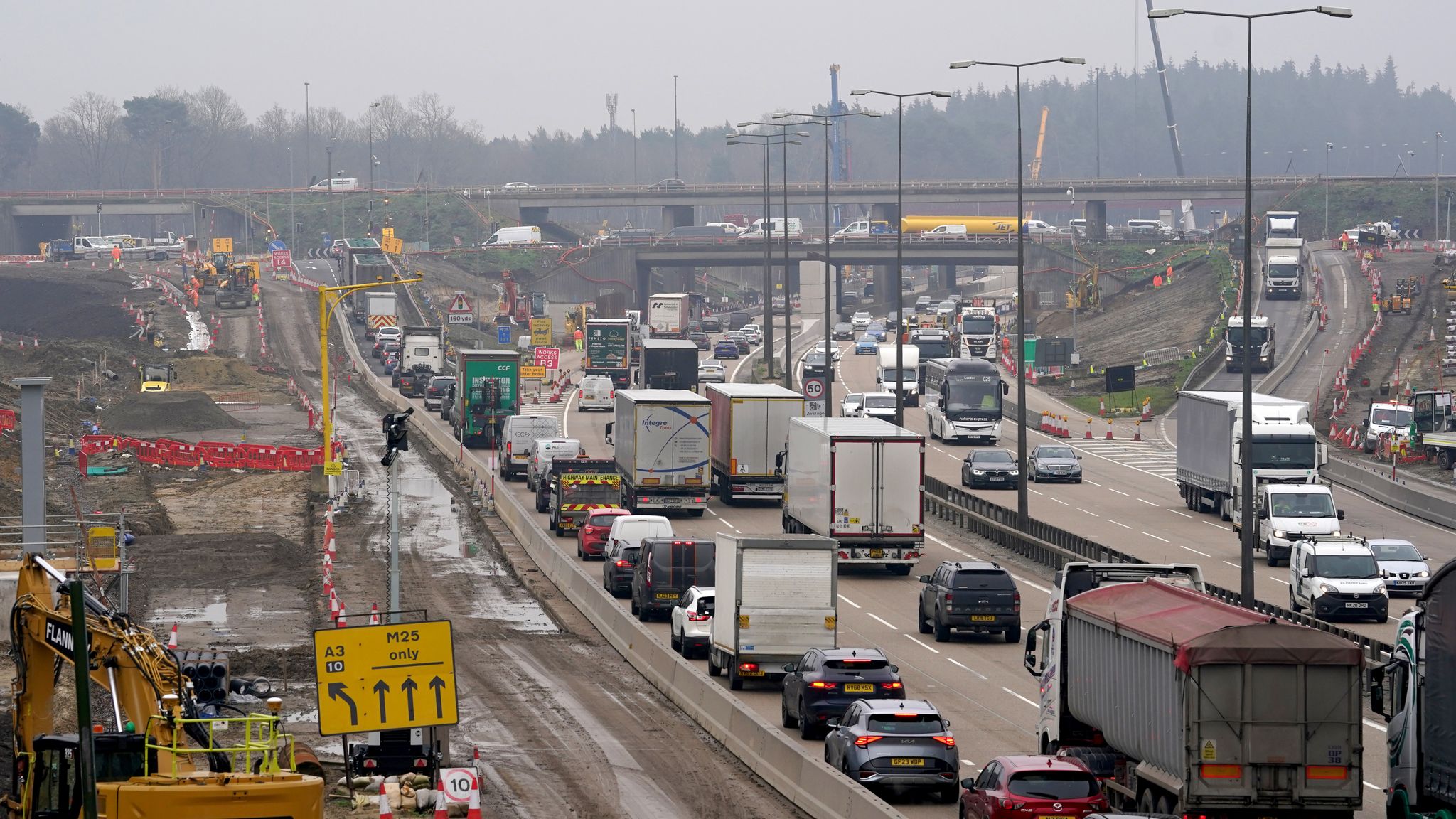
In particular, sections of the M25 around the Dartford Crossing and Croydon have experienced significantly heavy congestion. Construction work, notably the ongoing upgrades to Junction 30, has added to the delays on this segment. Roadworks are expected to continue into early 2024, prompting warnings from the Highways England about potential two-hour delays during peak hours.
Moreover, with the onset of winter, the challenges related to traffic are compounded by adverse weather conditions. Increased rainfall and lower visibility often lead to slower traffic speeds and higher accident rates, prompting authorities to urge motorists to exercise caution.
Government and Local Initiatives
The UK government has acknowledged these challenges and is working on several initiatives to reduce traffic congestion on the M25. One of the proposed solutions involves introducing smarter traffic management systems that rely on real-time data to alleviate congestion. Such systems could reroute vehicles based on current traffic flow and incidents.
Additionally, the expansion of public transport options, such as improved rail connections to major hubs around the M25, is a strategy aimed at reducing the number of vehicles on the road. These initiatives, combined with increasing awareness of alternative travel arrangements, are vital for fostering sustainable commuting solutions.
Conclusion
In conclusion, M25 traffic continues to be a pressing issue for commuters and local authorities alike. As traffic patterns change in the post-pandemic landscape, the importance of real-time updates and proactive traffic management cannot be overstated. It is essential for drivers to remain informed through reliable traffic sources, enabling them to adjust their travel plans accordingly and reduce the impact of congestion on daily commutes. The ongoing efforts by the government and local authorities will hopefully lead to improved traffic flow and an overall enhanced driving experience for all road users.