Introduction
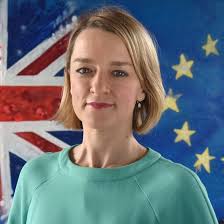
Laura Kuenssberg has emerged as a significant figure in British journalism, particularly for her role as Chief Political Correspondent for the BBC. In a landscape dominated by rapid political change and public discontent, her insights and reporting have played a crucial role in shaping public understanding of politics in the UK. This article delves into her career and significance in current political discourse.
Career Highlights
Kuenssberg began her career in journalism at the local level before quickly moving to national platforms. She worked for several prominent media outlets including the BBC and ITV News, where she honed her analytical skills and built a reputation for rigorous journalism. In 2015, she became the first female Political Editor of the BBC, a groundbreaking appointment that marked a significant milestone in the history of British journalism.
Influence and Recognition
Throughout her career, Laura Kuenssberg has been recognised for her incisive reporting and ability to navigate complex political landscapes. She has reported on some of the most pivotal events in recent UK history, including Brexit and the coronavirus pandemic. Her reporting was instrumental in informing the public about the implications of Brexit, bringing clarity to issues that often became clouded with political rhetoric. Moreover, Kuenssberg’s social media presence has allowed her to engage with a broader audience, making her updates on current events particularly accessible.
Controversies and Criticism
Despite her accolades, Kuenssberg has faced criticism from various quarters. Her candid reporting style has attracted both support and backlash, particularly when dealing with sensitive political issues. The 2019 UK General Election exemplified this dichotomy, where her coverage was scrutinised heavily by both politicians and the public. Critics claimed that she displayed bias in her reporting, raising questions about impartiality in mainstream media. However, supporters argue that her commitment to unveiling the truth supersedes the discomfort that certain political figures may feel in response to her findings.
Conclusion
Laura Kuenssberg’s role as a political journalist cannot be understated. As she continues to cover significant events in British politics, her influence remains profound. Her trajectory suggests a commitment to journalism that adapts with the times yet holds steadfast to the principles of factual reporting. For readers, understanding Kuenssberg’s contributions offers insights not only into her career but also into the evolving landscape of political journalism in the UK. As challenges and changes in the political arena unfold, her analysis will undoubtedly offer essential perspectives for navigating the complex world of British politics.