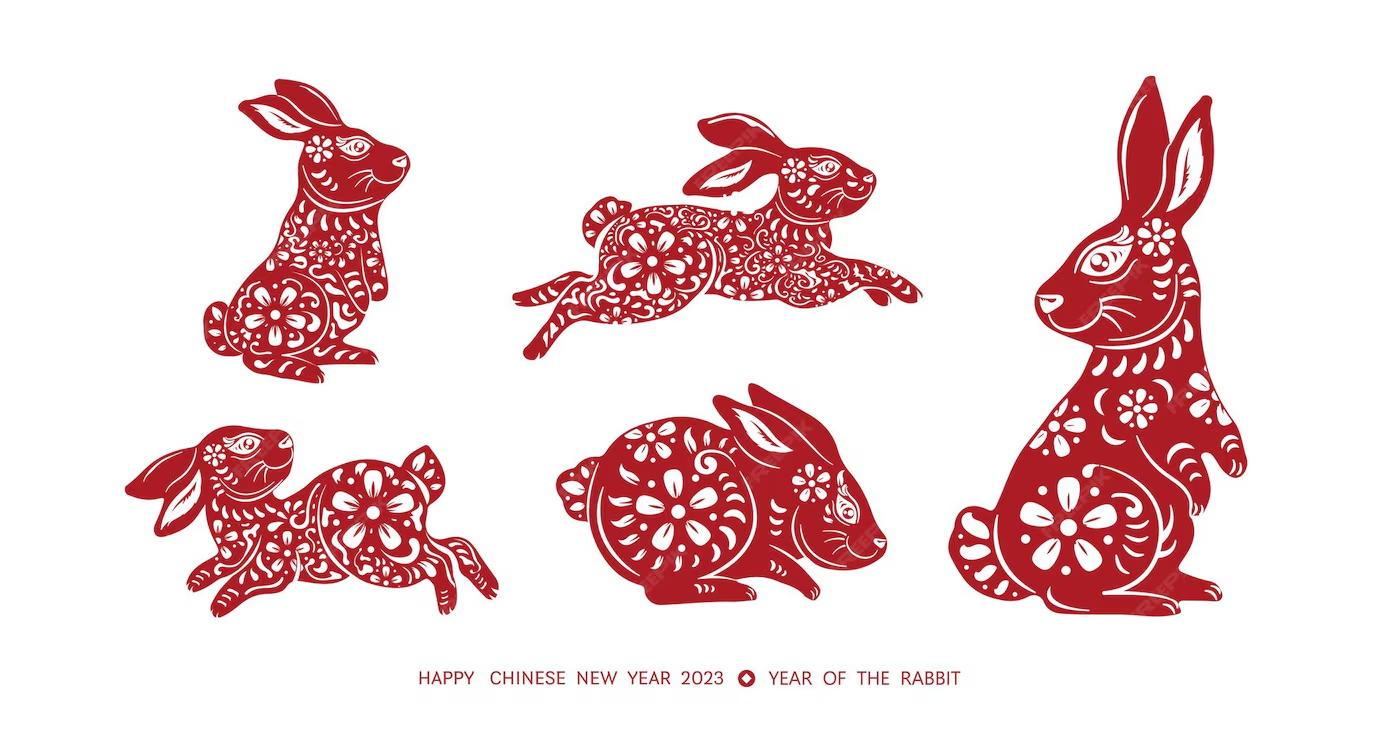
Introduction to Księżycowy Nowy Rok
Księżycowy Nowy Rok, or Lunar New Year, is an important cultural event celebrated in many countries, particularly in East Asia, such as China, Vietnam, and South Korea. This traditional festival marks the first day of the lunar calendar and usually falls between January 21 and February 20. The significance of Księżycowy Nowy Rok lies not only in its markers of renewal and rebirth but also in its vibrant traditions that vary from culture to culture. As we approach this year’s celebrations, understanding its cultural weight and practices becomes increasingly relevant.
The Global Celebrations
Each region has unique customs associated with the Księżycowy Nowy Rok. In China, for instance, families gather for a reunion dinner on New Year’s Eve, and fireworks illuminate the night sky to ward off evil spirits. This year, festivities will commence on 10 February, heralding the Year of the Rabbit, a symbol of peace, prosperity, and good fortune.
In Vietnam, the holiday is known as Tết and includes traditions such as making offerings to ancestors and decorating homes with peach blossoms. Tết will also be celebrated on 10 February, with an emphasis on family, food, and renewal.
South Korea celebrates Seollal, featuring family rituals, traditional games, and traditional dishes such as tteokguk (rice cake soup), believed to bring good health in the upcoming year. Seollal will be observed on 21 January.
Recent Events and Adaptations
This year’s Księżycowy Nowy Rok celebrations come in the wake of the COVID-19 pandemic, which affected large gatherings and community events in previous years. Authorities in many countries are urging residents to celebrate responsibly, balancing tradition with public health considerations. Some communities have scheduled virtual celebrations and online sessions to share family recipes and cultural stories, ensuring that people can participate at a distance if needed.
Conclusion and Future Significance
The Księżycowy Nowy Rok presents an excellent opportunity for reflection, renewal, and connection with cultural roots, impacting millions around the globe. As celebrations continue to evolve in response to modern challenges, the underlying themes of family, hope, and new beginnings will remain paramount. For readers, engaging with these traditions can foster greater cultural understanding and appreciation in our increasingly interconnected world.