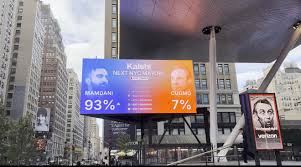
Introduction to Kalshi
Kalshi is an innovative platform that has attracted attention as the first regulated exchange in the United States specifically designed for trading on the outcomes of future events. Launched in 2020, Kalshi aims to provide market participants with the tools to hedge against risk while satisfying their curiosity about future possibilities. The significance of this platform lies in its potential to revolutionise the trading landscape, offering an alternative to traditional financial instruments and enhancing the way people perceive and participate in risk management.
How Kalshi Works
On Kalshi, users can place trades on designated event contracts, which are binary in nature. Each contract corresponds to a specific event, with outcomes that can either be yes (event occurs) or no (event does not occur). For example, traders might speculate on whether certain economic indicators will meet specific thresholds, or if a political event will happen within a given timeframe. The upfront cost of trading these contracts is determined by the probability of the event occurring, which is derived from collective market sentiment.
Recent Developments
Kalshi has made headlines recently by expanding its offerings and garnering significant interest from both retail and institutional traders. In September 2023, the exchange announced a partnership with several economic forecasting firms to provide traders with enhanced data insights and analytics, further solidifying its position in the market. This partnership enables users to make more informed decisions, thereby improving their trading outcomes.
Significance for Traders
The growth of Kalshi represents a significant shift in how traders approach market dynamics. Unlike traditional exchanges, where trading typically revolves around stocks or commodities, Kalshi allows individuals to engage directly with potential future outcomes. The platform’s regulatory backing adds a layer of security and trust, allowing users to trade with confidence. As the concept of event trading gains traction, Kalshi could attract a broader audience, stimulating further developments in the space.
Conclusion
Kalshi is positioned at the intersection of trading and probabilistic outcomes, making it a significant player in the financial technology sector. With its recent expansions and partnerships, Kalshi is not just reshaping how risks are assessed but also paving the way for greater market accessibility. As more traders begin to understand and embrace this model, the potential applications of event contracts will likely continue to grow, leading to increased interest and engagement in the market. For those looking to navigate the uncertainties of the future, Kalshi presents a promising opportunity that merits closer examination.