Introduction to IPTV
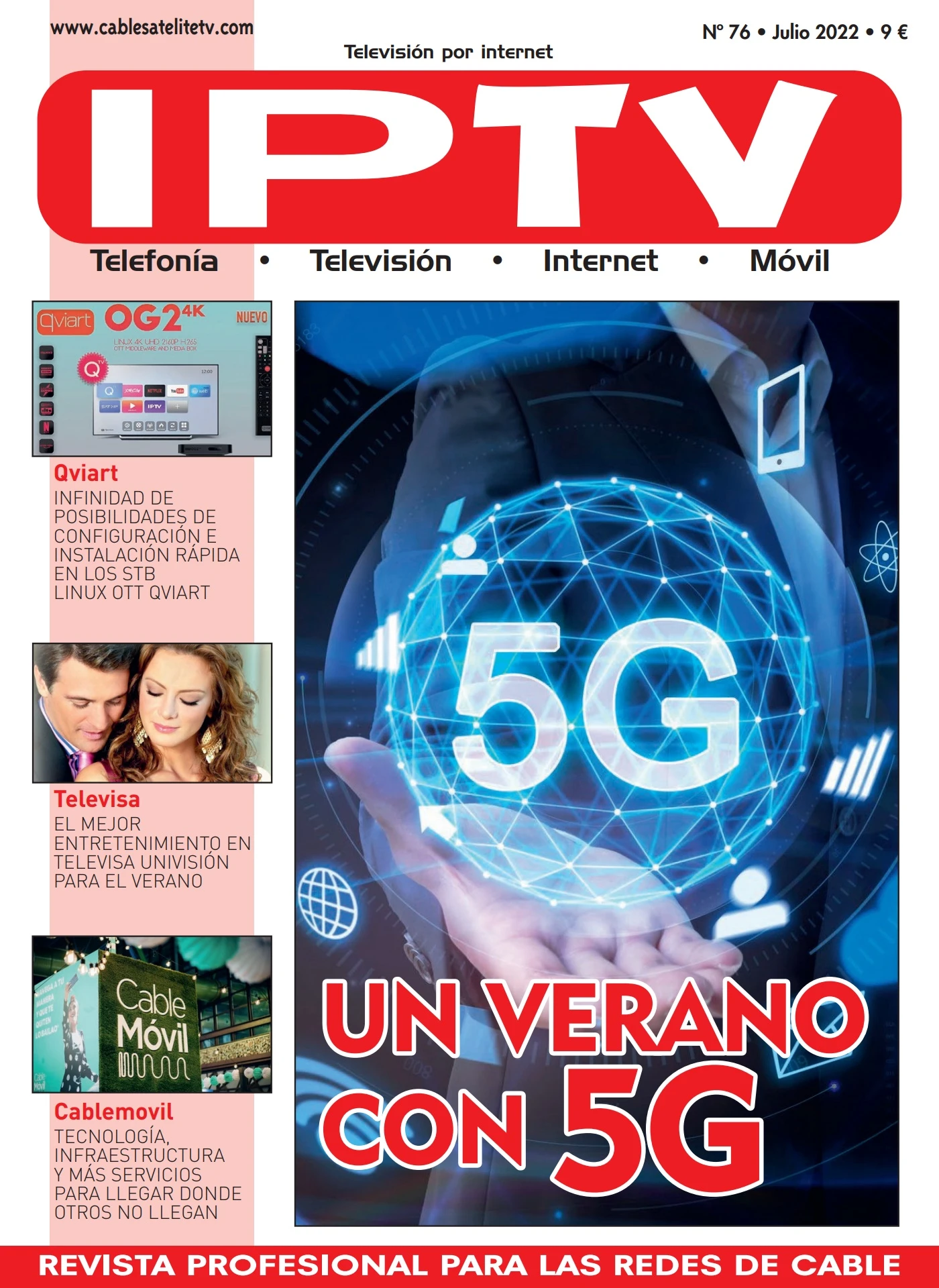
Internet Protocol Television (IPTV) is rapidly changing the landscape of television consumption. By delivering content via internet protocols instead of traditional broadcast methods, IPTV provides users with a flexible and often more cost-effective way to access their favourite shows and movies. Its increasing popularity and technological advancements make it an essential topic for consumers, service providers, and investors alike.
What is IPTV?
IPTV refers to the delivery of television programming through internet protocols, which means instead of receiving channels through satellite dishes or cable wires, users stream content over the internet. IPTV services can offer live television, on-demand video services, digital video recording (DVR), and interactive television features. This delivery method allows for lower latency and the possibility of high-definition content.
The Growth of IPTV
According to a report by MarketsandMarkets, the IPTV market is projected to grow significantly, with expectations to reach $118.37 billion by 2025, growing at a compound annual growth rate (CAGR) of 14.4% from 2020. Factors contributing to this growth include the increasing penetration of high-speed internet, the proliferation of smartphones, and a shift in consumer preferences towards on-demand viewing. Prominent providers such as Netflix, Amazon Prime Video, and Hulu have laid the groundwork for a robust IPTV ecosystem.
Benefits of IPTV
The advantages of IPTV are manifold. Firstly, it provides viewers with a high level of flexibility regarding viewing content. Users can watch what they want when they want, which is a stark contrast to traditional television schedule constraints. Additionally, IPTV can offer fewer commercials, a more tailored viewing experience, and the ability to stream on multiple devices such as smartphones, tablets, and smart TVs. Furthermore, service providers can offer robust analytics on viewer preferences, enabling them to serve targeted content effectively.
Challenges Facing IPTV
Despite its many benefits, IPTV also faces notable challenges. The primary concern remains the dependency on internet connection speed and reliability. In regions where high-speed internet is not yet prevalent, customers may experience buffering or reduced quality of service. Furthermore, regulatory hurdles concerning content licensing and broadcasting rights may also impact the availability of certain channels or shows on IPTV platforms.
Conclusion: The Future of IPTV
As technology continues to evolve, the role of IPTV in the media landscape is likely to expand. With improvements in internet infrastructure and a growing consumer base, the potential for IPTV appears promising. It offers an innovative alternative to traditional television and plays a crucial role in how audiences engage with media. For viewers, IPTV presents an opportunity to consume content in a more personalised manner while driving industry shifts towards more efficient delivery methods.