Introduction
Ibiza, the iconic Balearic Island, is renowned for its vibrant nightlife, stunning beaches, and picturesque landscapes. However, the weather plays a pivotal role in shaping the experience for both tourists and locals. Understanding Ibiza’s weather patterns is crucial for planning a visit, enjoying outdoor activities, and making the most of the island’s offerings. From sun-soaked summers to mild winters, each season presents unique conditions that can influence travel decisions.
Summer: The Peak Season
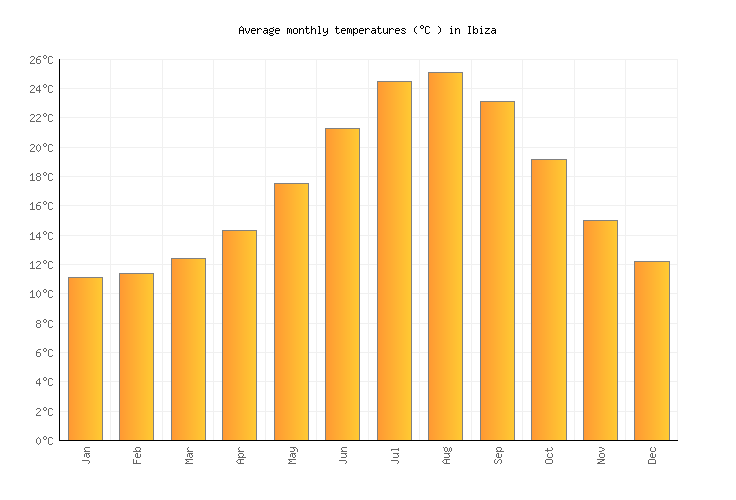
Summer in Ibiza, spanning from June to September, is characterised by warm, sunny days and a lively atmosphere. Average temperatures range from 25°C to 30°C (77°F to 86°F), attracting thousands of visitors eager to enjoy the beach and nightlife. July and August are the hottest months, often seeing temperatures soar above 30°C (86°F). Rain is scarce during the summer, making it the best time for sunbathing and water sports.
Autumn: Transitioning Seasons
As summer fades, autumn from October to November brings slightly cooler temperatures, averaging between 20°C to 25°C (68°F to 77°F). This period features beautiful warm days and nightlife events continuing into October. Rainfall begins to increase, but sunny days are still frequent. September is particularly appealing, as the sea remains warm from summer heat, making it ideal for swimming.
Winter: A Mild Retreat
The winter months from December to February see a significant dip in tourist numbers. However, Ibiza’s winter is relatively mild compared to other European destinations. Average temperatures range from 10°C to 15°C (50°F to 59°F), and it’s the rainiest time of the year, particularly in January. Despite the cooler temperatures, winter offers a serene atmosphere for those seeking tranquillity away from the summer crowds.
Spring: Blooming Revival
Spring from March to May marks the revival of the island as temperatures begin to warm again, ranging from 15°C to 20°C (59°F to 68°F). This is a wonderful time for nature enthusiasts, as wildflowers bloom, and outdoor activities resume. By late April to early May, attractions begin to reopen, and the island starts preparing for the influx of summer tourists, while still maintaining a peaceful local charm.
Conclusion
In summary, Ibiza’s weather significantly influences the island’s vibrancy and visitor experience throughout the year. Each season offers unique advantages, whether it’s the sun-drenched beaches of summer or the calm ambience of winter. Visitors planning their trips should consider these weather patterns to enhance their holiday experience. With careful planning, whether soaking up the sun, enjoying music festivals, or escaping the crowds, Ibiza’s diverse weather ensures a memorable trip anytime of the year.