Introduction
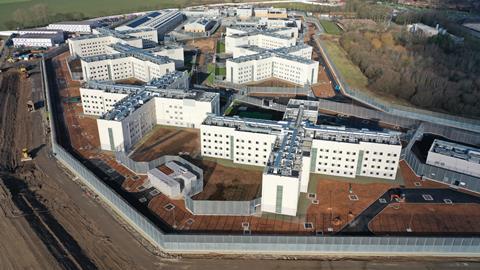
HMP Millsike, a category B men’s prison located in the heart of West Yorkshire, plays a crucial role in the UK’s rehabilitation strategies. As the prison system increasingly focuses on rehabilitating offenders rather than merely punishing them, understanding HMP Millsike’s initiatives and its impact on inmates and society at large becomes vital. Rehabilitation centres like Millsike aim to reduce reoffending rates and support individuals in their reintegration into society.
Key Features of HMP Millsike
Opened in 2005, HMP Millsike accommodates approximately 600 inmates, primarily serving those who have committed non-violent crimes. The prison is designed with facilities aiming to prepare inmates for successful reentry into society. These include educational programmes, vocational training, and mental health support. Recent reports indicate that the prison has made significant strides in reducing the rate of recidivism among its inmates.
Recent Developments and Programmes
In 2023, HMP Millsike introduced several innovative rehabilitation programmes tailored to foster skills for employment upon release. A collaboration with local businesses has established a job placement initiative that connects inmates with potential employers, ensuring that they have opportunities when they leave the prison gates.
Additionally, the prison has expanded its educational offerings, enabling inmates to pursue qualifications ranging from basic literacy to GCSEs. The education initiatives not only bolster inmates’ skills but also boost their confidence and capacity to lead fulfilling lives outside of prison.
Challenges Faced
Despite these positive developments, HMP Millsike, like many UK prisons, faces challenges ranging from overcrowding to funding issues. A recent report highlighted that budget constraints have limited the growth of programmes that could further aid rehabilitation efforts. Also, the mental health needs of inmates are sometimes unmet due to staff shortages, which can hinder progress made through educational and vocational training.
Conclusion
HMP Millsike represents a significant development in the UK’s shift towards rehabilitation-focused correctional facilities. Its commitment to providing education, vocational training, and mental health support is crucial in reducing reoffending rates among its inmates. As the prison continues to navigate its challenges, its advancements provide hope that rehabilitation can pave the way for many to lead productive lives post-incarceration. The effectiveness of these programmes will be vital for policymakers to consider in shaping future correctional strategies across the country.