Introduction
Hezbollah, a Shiite militant group and political party based in Lebanon, has been a significant player in Middle Eastern politics since its formation in the early 1980s. Understanding the current situation involving Hezbollah is crucial, especially as geopolitical tensions escalate in the region. Recent events have drawn attention to its military actions and political maneuvers, raising questions about stability in Lebanon and broader implications for international relations.
Recent Developments
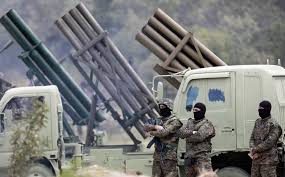
In 2023, Hezbollah has been actively involved in various conflicts and tensions around Israel. The group has not only increased its military readiness but has also made headlines over the last few months concerning its involvement in skirmishes along the Israel-Lebanon border. In October 2023, a series of cross-border attacks resulted in heightened tensions, prompting responses from the Israel Defence Forces (IDF). The IDF has increased its military presence along the northern borders, anticipating potential retaliatory actions from Hezbollah.
Political Influence in Lebanon
Hezbollah’s influence in Lebanese politics remains significant, especially amid the country’s economic crises and political instability. The group has leveraged its military might to position itself as a defender of Lebanese sovereignty against Israel. However, its actions have also drawn criticism from various factions within Lebanon and the international community, particularly concerning issues of sovereignty and human rights. Negotiations regarding the maritime border with Israel have seen Hezbollah play a complex role, where it presents itself as a protector of Lebanese interests.
Global Implications
The reach of Hezbollah extends beyond Lebanon, with implications felt worldwide. The group has been labeled a terrorist organisation by several countries, including the United States and Canada, owing to its militant activities and ties with Iran. Consequently, this categorisation has influenced international diplomatic relations, particularly concerning military and financial support for Lebanon. Heightened activities from Hezbollah have led to an increase in sanctions and international scrutiny, impacting Lebanon’s economic conditions and relationships with Western powers.
Conclusion
Hezbollah remains a complex and potent force in Middle Eastern affairs. As tensions between different factions continue to rise, the organization’s actions may have far-reaching consequences for regional stability and international diplomacy. Observers expect that the coming months will be pivotal in determining Hezbollah’s influence both within Lebanon and on the global stage. Understanding Hezbollah’s role and the challenges it presents is vital for grasping the intricacies of Middle Eastern geopolitics.