Introduction
Folinic acid, also known as leucovorin, is a vital nutrient that plays a significant role in the body’s metabolic processes. It is widely regarded for its therapeutic applications, especially in the realm of oncology, where it is used to diminish the harmful effects of certain chemotherapy agents. As health systems worldwide reevaluate approaches to treatment and maintenance of patient well-being, understanding folinic acid’s importance has gained renewed focus.
What is Folinic Acid?
Folinic acid is a form of folate, which is a water-soluble B vitamin (Vitamin B9). Unlike folic acid, which is synthetic, folinic acid is the biologically active form of the vitamin found in food. This compound is crucial for DNA synthesis, repair, and methylation processes. It is also essential in the production of red blood cells and the synthesis of various neurotransmitters.
Medical Uses of Folinic Acid
1. **Chemotherapy Support**: Folinic acid is prominently used in combination with drugs like methotrexate to mitigate toxicity. It is administered to counteract the adverse effects of methotrexate, which is effective in treating various cancers but can also cause severe toxic side effects. The folinic acid rescues normal cells from injury during chemotherapy treatment.
2. **Pediatric Uses**: In paediatrics, it is employed to treat folate deficiencies and improve the effectiveness of certain medications in children. Notably, its role in cases of congenital anomalies related to folate metabolism is critical.
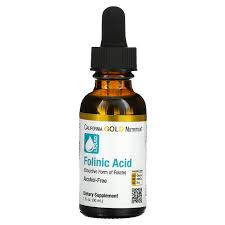
3. **Dietary Supplementation**: Although typically obtained through foods such as leafy greens, legumes, and fortified cereals, some individuals may require supplementation. It is particularly beneficial for those who have difficulty metabolising folate or who are at risk of deficiency, such as pregnant individuals.
Potential Side Effects and Considerations
While generally considered safe, excessive intake of folinic acid can lead to potential risks, including masking Vitamin B12 deficiencies. It is crucial for individuals to consult healthcare professionals before beginning any supplementation, particularly in high doses, to prevent adverse interactions with existing treatments.
Conclusion
Folinic acid represents a vital component of both nutritional health and medical treatment. As research continues to unfold, its applications may expand, providing innovative avenues for patient care. For healthcare providers and patients alike, understanding the importance of folinic acid can improve treatment outcomes and enhance overall wellness in various populations. As we advance, a comprehensive grasp of this nutrient’s role will hinder unnecessary complications and promote a holistic approach to health management.