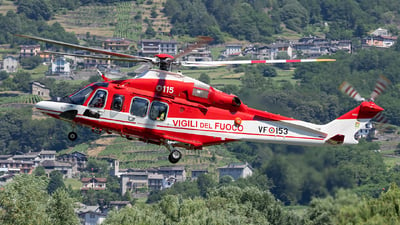
Introduction to Flight Radar
Flight radar technology has revolutionised the way we monitor air traffic around the globe. With thousands of planes flying daily, the management of air travel has become increasingly complex. Flight radar systems allow both aviation professionals and the general public to track aircraft movements in real-time, thereby enhancing safety, efficiency, and transparency in air travel.
The Mechanics of Flight Radar
Flight radar systems operate by utilising data from various sources, including ground-based radars, satellite tracking systems, and onboard transponders. This aggregated data provides a comprehensive view of air traffic, displaying real-time flight information such as altitude, speed, and flight path.
One of the most commonly used systems is the Automatic Dependent Surveillance–Broadcast (ADS-B), which allows aircraft to determine their position via satellite navigation and periodically transmit it. This real-time data can then be shared with flight radar services which update continuously to reflect the latest aircraft positions.
Recent Events Highlighting Flight Radar’s Importance
The relevance of flight radar has notably increased amid growing concerns regarding safety and air traffic management. In September 2023, a near-miss incident occurred between two commercial aircraft in British airspace. Thanks to flight radar technology, air traffic controllers were able to react swiftly, guiding the pilots to avoid potential disaster. This incident underscores the vital role that flight radar systems play in maintaining safety standards in aviation.
The Future of Flight Radar Technology
As air travel continues to expand, so too does the need for advanced flight tracking systems. Emerging technologies such as Artificial Intelligence (AI) and machine learning are beginning to be integrated into flight radar systems, enhancing predictive analytics and improving traffic management. These advancements promise to ensure more streamlined air travel while safeguarding against potential mid-air collisions and system failures.
Conclusion
Flight radar is not just a tool for aviation enthusiasts; it is a critical component of modern air traffic management. As innovations continue to develop in this field, the importance of real-time tracking will only grow, facilitating safer skies for all. For travelers, being aware of flight radar technology may provide peace of mind as they understand the complex systems that work tirelessly to ensure their journeys are safe and efficient.