Introduction
EU steel tariffs have become a critical topic in international trade discussions, particularly as the European Union (EU) seeks to protect its domestic steel industry from global market fluctuations and unfair competition. The importance of these tariffs lies not only in their impact on the economy but also in their role in shaping trade relations with key allies and competitors. In a world increasingly defined by trade tensions, understanding the implications of these tariffs is essential for businesses, policymakers, and consumers alike.
Current Status of EU Steel Tariffs
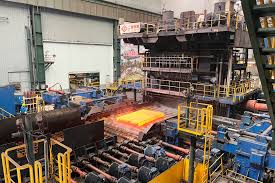
As of 2023, the EU maintains tariffs on steel imports to protect its domestic production capabilities. Initially instituted in 2018, these measures were designed to counteract the influx of low-cost steel from countries such as China, which sought to exploit gaps in the global trade system. Tariff rates vary depending on the product category, with some steel products subjected to tariffs as high as 25 percent.
Recent discussions among EU officials and member states indicate a potential reevaluation of these tariffs amidst changing global market demands and pressures from partners, particularly the United States. The EU and the US have been negotiating to resolve trade disputes, including tariffs on steel and aluminium, as both sides seek to work together on shared industrial and environmental goals.
Economic Implications
The implications of EU steel tariffs extend beyond the borders of Europe. While the intent is to safeguard local jobs and industries, critics argue that these tariffs might lead to increased prices for consumers and manufacturers who rely on imported steel. In particular, industries such as construction and automotive manufacturing could face higher costs, affecting project viability and consumer prices.
Moreover, targeted countries have responded with retaliatory tariffs on European goods, further complicating the trade landscape. The EU’s approach to steel tariffs may also influence negotiations on trade agreements with other nations, as countries assess the long-term reliability of the EU market.
Future Outlook
Looking forward, the future of EU steel tariffs remains uncertain. Analysts suggest that potential trade agreements and bilateral negotiations may prompt adjustments in tariff structures. Additionally, ongoing environmental concerns are likely to influence how the EU approaches its steel industry, with expectations for greater sustainability and emissions reductions.
In conclusion, the EU steel tariffs represent a complex intersection of domestic protectionism and international trade relations. Their evolution will be closely monitored by businesses and policymakers as they navigate the challenges of an interconnected global market. The coming months will be crucial in determining how these tariffs will be shaped, not only in response to economic factors but also in pursuit of broader strategic objectives.