Introduction
Eswatini, formerly known as Swaziland, is a landlocked kingdom in Southern Africa, renowned for its rich cultural heritage and vibrant traditions. As one of the last absolute monarchies in the world, the political landscape of Eswatini is unique and has significant implications for its citizens and international relations. Understanding Eswatini is crucial for grasping the dynamics of Africa’s southern region and the cultural amalgamation that has shaped its identity.
Current Developments in Eswatini
Recent events in Eswatini have captured international attention, particularly regarding the socio-political situation. The country has faced unrest and protests since 2021, with demands for democratic reforms escalating amid discontent over governance and human rights. These protests have highlighted the need for change in a country that has been ruled by King Mswati III since 1986, whose approach to governance has faced scrutiny both domestically and worldwide.
As a response to the rising tensions, the government has initiated dialogues aimed at addressing citizens’ concerns. In July 2023, the government announced a new initiative to engage civil society and opposition groups, hoping to foster a more cooperative political environment. However, scepticism remains among the populace, with many questioning the government’s sincerity and commitment to meaningful reform.
Cultural Significance
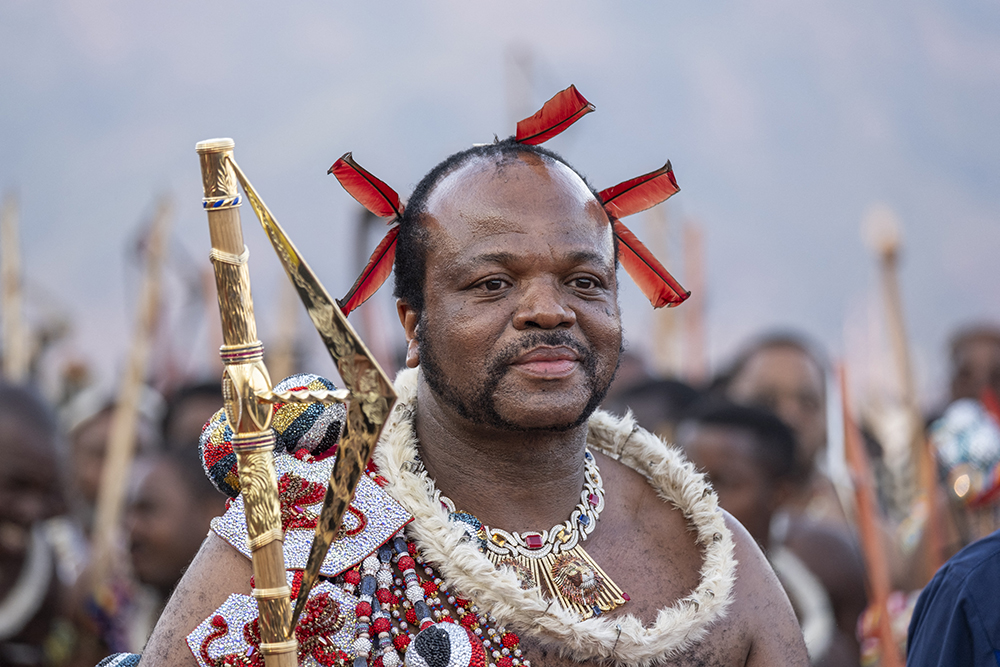
Aside from its political landscape, Eswatini is culturally rich and diverse. It is known for its traditional music, dance, and vibrant craftwork. The Umhlanga Reed Dance is an annual event that attracts thousands of visitors, showcasing the culture and history of the Swazi people. This event not only serves as a rite of passage for young women but also reinforces community bonds and celebrates Eswatini’s heritage.
The nation is also blessed with a variety of landscapes, which contribute to the ecological diversity celebrated in local customs and traditions. From the mountainous regions to the lush valleys, the geographic diversity plays a significant role in the agricultural practices that sustain the local economy.
Conclusion
Eswatini stands at a crossroads, faced with the challenge of balancing tradition with the demand for modern governance. The ongoing socio-political reforms are pivotal for the nation’s future and its standing on the international stage. For readers, staying informed about these developments in Eswatini is not just about observing a nation but understanding a complex culture and the aspirations of its people. As the global community watches, the evolution of Eswatini could serve as a significant case study in the interplay between heritage and modernity in African societies.