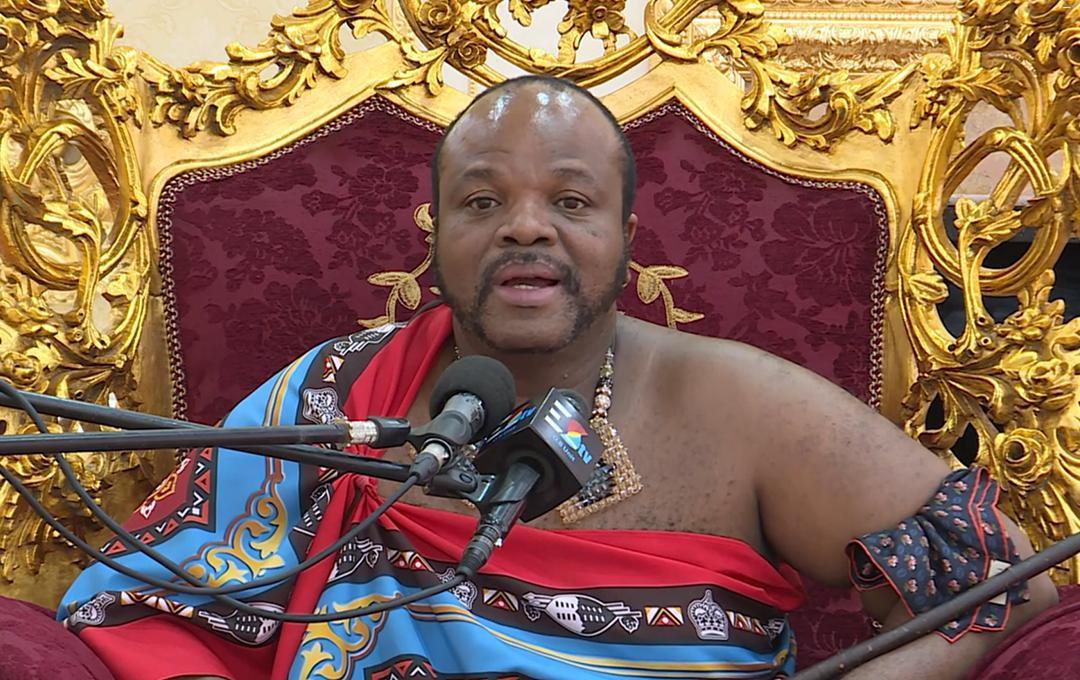
Introduction: The Significance of Eswatini
Eswatini, formerly known as Swaziland, is a small landlocked country in Southern Africa, bordered by South Africa and Mozambique. Despite its size, Eswatini is rich in cultural diversity and history, making it an important region for both tourism and socio-political discussions. The nation is known for its vibrant traditions, artistic heritage, and as one of the last remaining absolute monarchies in the world. As Eswatini faces various challenges, including socio-economic issues and political unrest, understanding the current landscape is crucial for both local citizens and international observers.
Current Events in Eswatini
Recently, Eswatini has been in the headlines due to a surge in protests and civil unrest. Following the calls for democratic reforms and greater political representation, citizens took to the streets demanding changes from the long-standing monarchy. These demonstrations have been met with a heavy-handed response from the government, leading to clashes between protestors and law enforcement officials. The unrest has drawn criticism from human rights organisations, which have highlighted the deteriorating conditions for free expression in the country.
Economic Context
In addition to political challenges, Eswatini’s economy has been significantly impacted by the COVID-19 pandemic. The nation relies heavily on agriculture and remittances from citizens working abroad. However, job losses and economic stagnation have led to increased poverty rates and food insecurity. In response, the government has since launched economic recovery plans aimed at diversifying the economy and boosting sectors like tourism and manufacturing. Nevertheless, the success of these initiatives remains uncertain amid ongoing social unrest.
Concluding Thoughts
Eswatini continues to face a critical crossroads as it navigates its socio-political landscape. The need for democratic reform and economic recovery is pressing, as the nation grapples with internal and external pressures. As events unfold, the international community’s response will play a significant role in shaping the future of Eswatini. Observers and citizens alike are hopeful for a peaceful resolution that retains the country’s rich cultural heritage while addressing the urgent calls for change.



