Introduction
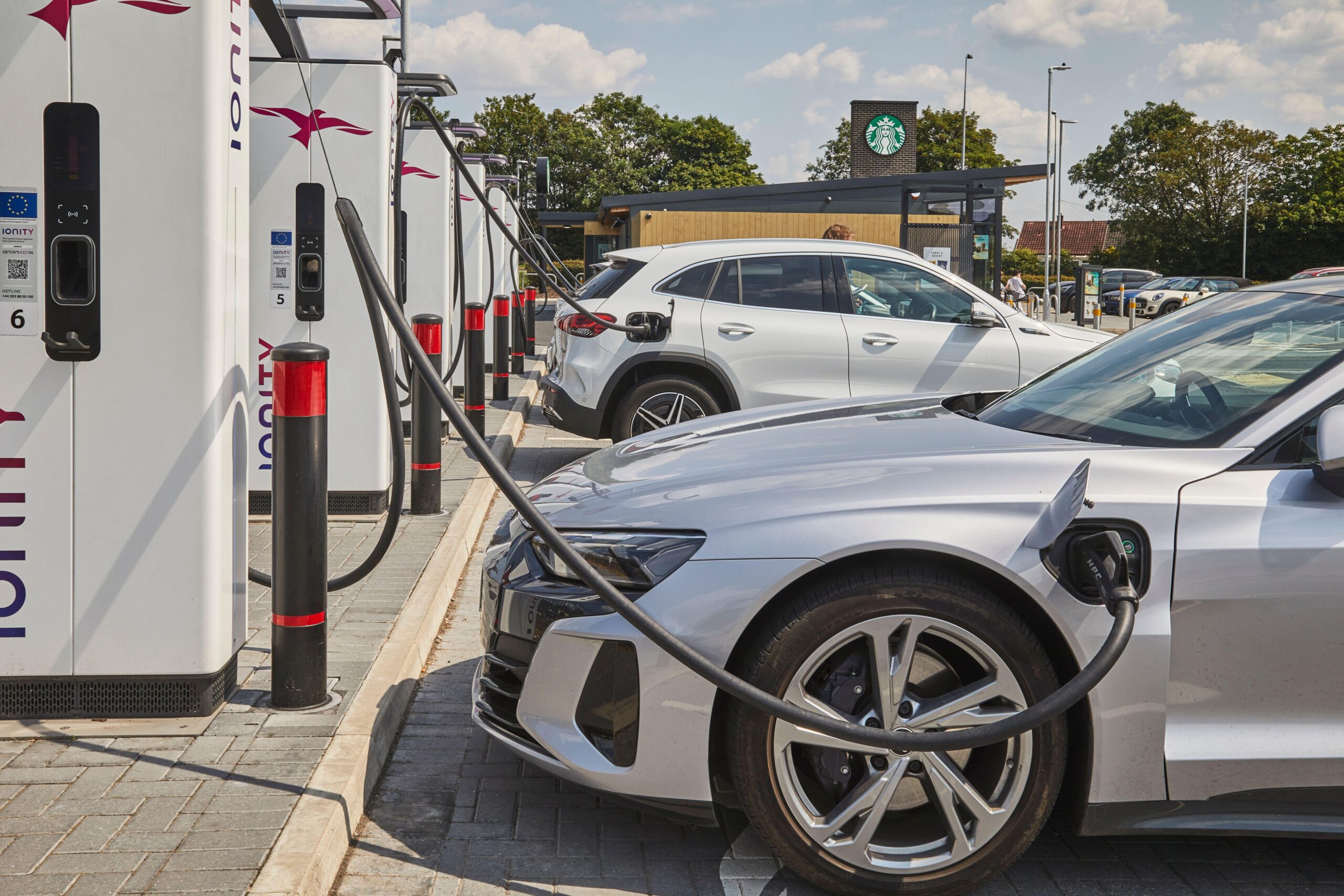
The growing adoption of electric vehicles (EVs) in the UK highlights the critical need for robust charging infrastructure. With the government aiming for net-zero carbon emissions by 2050, electric vehicle charging reforms have become an essential element of sustainable transport policy. These reforms seek to streamline the installation and management of charging points, benefitting consumers and businesses while supporting the transition to cleaner energy.
The Importance of Reforms
As the UK government plans to ban the sale of new petrol and diesel cars by 2030, having a reliable charging network is imperative. Recent studies show that nearly 40% of potential EV buyers cite insufficient charging infrastructure as a significant barrier to purchase. Electric vehicle charging reforms aim to address these concerns by encouraging investments in charging networks, ensuring accessibility, and promoting technological innovation.
Recent Developments
In October 2023, the UK government introduced new policies focused on expanding the EV charging network. Key measures include the requirement for all new homes and office buildings to be fitted with EV charging points, as well as incentives for businesses to offer charging facilities. Furthermore, local councils have been given additional funding to establish more on-street charging points, particularly in areas without off-street parking.
The reforms also aim to regulate charging prices to ensure fair access. New regulations are being introduced to prevent excessive pricing at charging stations, and operators will be required to provide transparent pricing information to consumers. This initiative aims to create a competitive marketplace while protecting consumers from exploitation.
Impact on Consumers and the Environment
These charging reforms are expected to significantly enhance the consumer experience for electric vehicle owners. Increased availability of charging points, combined with fair pricing regulations, will alleviate concerns surrounding the practicality of EV ownership. Moreover, by making EV charging more accessible, the government anticipates a surge in electric vehicle adoption, directly contributing to environmental goals.
Conclusion
The ongoing reforms in electric vehicle charging represent a crucial step towards promoting sustainable transport and combating climate change in the UK. As the charging infrastructure expands and evolves, it remains essential that these initiatives are executed efficiently to ensure that all citizens can benefit from the transition to electric mobility. By 2030, the UK government aims not only to increase the number of electric vehicles on the road but also to ensure that charging networks are widespread, affordable, and user-friendly. As these developments unfold, it will be vital for consumers and local businesses to engage actively with the reforms to maximise their benefits.